
We have all watched a storm roll in, seen sheets of rain hammer a flat commercial roof, and quietly wondered if the drains will keep up this time. You might be looking at the car park filling with water, checking your phone for tenant messages, and hoping the ceiling tiles inside stay dry. That moment of uncertainty usually disappears once the rain eases, but what happens on the roof during those intense downpours can shape your maintenance budget for years.
For businesses that rely on wide-span warehouses, retail centers, offices, and industrial sites, commercial roof drainage is not just a technical detail. It is one of the systems that protects stock, plant, staff, and income from heavy rain. If water cannot get off the roof quickly enough, the result is more than a nuisance drip. You can be dealing with damaged fit outs, safety hazards, and a roof structure carrying more weight than it was ever meant to handle.
At Hippo Roofing LLC, we have worked on thousands of roofs in a storm-prone climate and we see the same pattern again and again. Many of the “sudden” leaks and failures that disrupt a business actually start as quiet drainage problems that were building for months. In this guide, we want to share how commercial roof drainage really works, why it fails, and what practical maintenance steps keep your building safer in heavy rain.
Why Commercial Roof Drainage Matters So Much For Businesses
Commercial roofs in a city with regular heavy rain carry a different level of risk than roofs in drier regions. Many businesses operate from large, flat or low-slope roofs that see huge volumes of water in a short time during intense storms. When those big roof areas shed water, the flow through each drain or gutter can be surprisingly high, and any restriction becomes a problem very quickly.
From a business point of view, the stakes are high. Poor drainage does not just mean a damp ceiling. A blocked internal drain over a retail tenancy can shut trading for hours while ceilings are made safe. In a warehouse, water overflowing from a parapet can run down walls, soak stock, and create slip hazards on the floor. In offices, recurring leaks damage finishes, trigger mold concerns, and frustrate tenants who expect you to stay ahead of maintenance.
Even if water stays outside, slow drainage shortens the life of the roof system. Standing water holds heat, encourages algae and dirt buildup, and keeps membranes and sealants wet for far longer than they were designed to handle. That constant stress leads to earlier failure, so owners face large capital works sooner than they expected. Our project history in a demanding, storm-affected region shows that businesses that treat drainage as a critical system, not an afterthought, avoid many of these costs.
How Commercial Roof Drainage Systems Actually Work
Although every building is different, most commercial roof drainage follows a few basic patterns. Water lands on the roof surface, then shallow slopes guide it toward collection points. These might be perimeter gutters, internal drains in the middle of the roof, scuppers through parapet walls, or some combination of the three. From there, water moves into downpipes and into the ground drainage system.
On so-called flat roofs, the surface is rarely truly flat. It is usually built with a slight fall so that water naturally flows toward the drains. That fall might be created with tapered insulation, screeds, or the structure itself. In practice, the slopes can be shallow, so even a small buildup of leaves or rubbish at a low spot slows water and allows it to collect. The design assumes clear paths. Once those paths narrow, water starts to sit where it should not.
Internal drains often sit in sumps, which are small depressions in the roof surface that pull water toward the inlet. These drains feed into a network of concealed pipes inside the building. Scuppers, which are openings through parapet walls, let water leave the roof into external downpipes or spill directly into gutters. Overflows sit slightly higher than the main drainage points and act as a backup if the primary outlet is blocked, so they help prevent water from rising too high on the roof.
During a storm, every part of this chain takes stress. The roof surface has to guide water effectively, the inlets need to stay clear, and the pipes must carry the volume without backing up. Training and certifications across major roofing manufacturers help us see these elements as a single system. If one part underperforms, the water will find another path, usually through a weakness into your building.
Common Drainage Failure Patterns We See On Commercial Roofs
Most drainage failures do not start with a dramatic collapse or obvious break. They begin with small blockages and minor flaws that go unnoticed during drier weather. By the time a manager hears about a leak from a tenant, the drainage system has usually been struggling for some time.
The most common problem is buildup of material at the wrong spot. Leaves, twigs, and windblown rubbish collect at low points in gutters and around internal drains. On roofs with mechanical plant, stray screws, cable ties, packaging, and offcuts can form a dam in front of a drain. Birds can nest in sheltered corners near scuppers. All of this reduces the opening size and slows water as it tries to leave the roof.
Design and installation choices also play a role. Drains or scuppers that are undersized for the roof area and expected rainfall can cope during light showers but struggle when a serious storm hits. Inlets that sit slightly higher than the surrounding roof, or that are tucked behind plant platforms or parapets, may not capture water efficiently. When the main outlets cannot keep up, water depth increases until it reaches overflows, parapet tops, or weak points in the roof system.
Material and movement-related failures appear over time. Metal gutters and downpipes corrode, especially where water and debris sit against them. Sealant around outlets, laps, and joints cracks under UV exposure and thermal expansion. Membranes around drains and penetrations can blister or pull away as the roof moves. Once water is standing in these areas because drainage is poor, every small defect is exposed for longer, which accelerates deterioration.
It helps to think about the load involved. Even a shallow pool of water across a wide roof area can weigh many tons. That weight pushes down on the structure and stresses joints, fixings, and sheet laps. On large commercial buildings, we have seen leaks that were blamed on “old roofing” turn out to be the result of years of ponding created by partially blocked internal drains. Clearing and upgrading drainage reduced the load and stopped the recurring leaks.
Warning Signs Your Roof Drainage System Is Struggling
Property and facility managers rarely have time to climb onto every roof after each storm, and in many cases they should not, for safety reasons. However, there are clear signs that a drainage system is struggling, both on the roof and inside the building. Recognizing these early gives you a chance to act before a minor issue becomes a major disruption.
On the roof itself, the first sign is water that hangs around longer than it should. Some shallow puddles straight after rain are normal, especially on large flat areas, but water that remains a day or more after typical weather suggests poor falls or blocked outlets. Dark algae lines, dirt rings, or weed growth near drains, scuppers, or low points show where water regularly sits. Sagging gutters, distorted gutter brackets, and rust streaks under outlets also hint at chronic overloading.
From ground level or inside the building, you may notice more subtle clues. Tenants might report damp smells after storms, or you might see recurring stains on ceilings near external walls and under roof penetrations. During heavy rain, you might observe water spilling over parapet tops instead of neatly through downpipes, or hear water hammering in unusual spots. These are all indicators that your main outlets are not handling the flow as designed.
Why Neglecting Drain Maintenance Becomes So Expensive
It is easy to delay drain maintenance when everything seems to be working on the surface. The roof looks intact from a distance, tenants are not complaining, and there are plenty of other demands on your maintenance budget. The problem is that drainage issues tend to grow quietly until they cross a threshold and reveal themselves as urgent, costly problems.
Persistent ponding accelerates breakdown of roof materials. Many membranes and coatings are designed to shed water, not to remain submerged day after day. Constant saturation and drying cycles lead to cracking, blistering, and loss of flexibility. Metal components, such as gutters and outlets, corrode more quickly where water and debris sit together, often at connection points that are difficult to see from ground level.
As ponding depth increases, the weight on the roof structure grows. Water is heavy, and a shallow pool spread across a large bay can equate to the weight of several vehicles sitting on that part of the roof. Older structures, or those with prior modifications, may be closer to their practical limits than drawings suggest. Even if the structure does not fail, that extra load stresses connections and can cause deflection, which in turn worsens ponding by creating new low spots.
Inside the building, the financial impact multiplies. A single blocked drain that leads to water entering a tenancy can damage stock, fixtures, IT equipment, and finishes. Clean-up, remediation, and replacement costs are one side of the equation. Lost trading hours, disrupted operations, and potential safety issues for staff and customers are the other. The cost of responding to one significant drainage-related incident can easily outweigh several years of planned maintenance.
Insurance may help in some situations, but insurers typically look closely at maintenance history. Where there is evidence that roof drains and gutters have been neglected, claims can become more complicated. By contrast, businesses that can show a consistent record of inspections and maintenance are better placed to demonstrate that they have taken reasonable steps to manage risk.
Best-Practice Roof Drain Maintenance For Commercial Properties
A structured maintenance approach turns drainage from a hidden risk into a manageable part of your asset plan. The right frequency and scope depends on your site conditions, but most commercial properties benefit from a clear schedule that recognizes how debris loads and storm patterns affect their roofs.
In leafy areas or near industrial zones with airborne debris, inspections and cleaning often make sense at least twice a year, with additional checks ahead of wetter seasons or after severe storms. Sites with minimal tree cover and simpler roof layouts may cope with less frequent visits, but still benefit from regular checks to catch early signs of blockage or wear. The key is that maintenance is planned and recorded, not left to ad hoc responses when someone notices an issue from the car park.
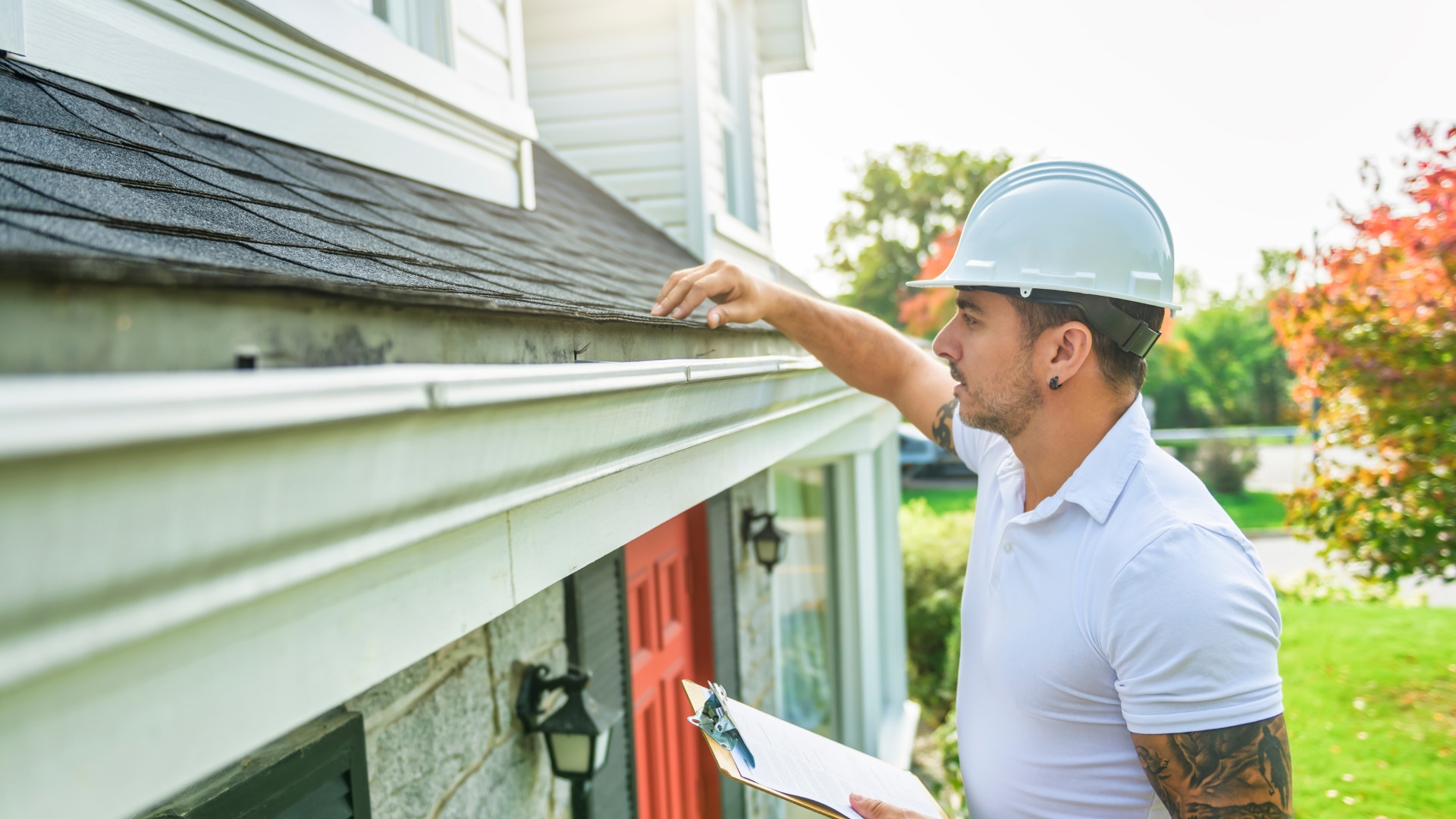
A thorough maintenance visit focuses on more than just scooping leaves from gutters. A trained crew will clear debris from all inlets and outlets, including internal drains hidden behind parapets or plant platforms. They will check that gutters fall correctly toward downpipes and that brackets and fixings remain sound. Sealant around outlets and joints is inspected for cracking or gaps. Overflows are checked to confirm they can take water away if primary outlets are obstructed.
We build each maintenance visit around safety and documentation. Access and fall protection are planned in advance. Once on the roof, our teams take photos of key areas before and after cleaning and note any developing issues such as corrosion, membrane stress, or new ponding patterns. Those reports give managers a clear picture of current condition and recommended next steps, which supports internal budgeting and communication with tenants or owners.
Not every task should fall on in-house staff, especially where height and fall risks are present. However, building teams can still play a useful role. Simple ground-level checks during and after storms, like watching for overflowing gutters, parapets spilling water, or new internal staining, provide valuable information between scheduled visits. When that feedback is combined with a consistent maintenance program from a roofing company that values communication and follow-through, drainage becomes far easier to control.
How A Planned Drainage Maintenance Program Protects Your Asset
From an asset management point of view, the biggest benefit of a planned drainage program is predictability. Instead of waiting for a leak to force your hand, you see issues developing and can decide whether to address them now or include them in your capital plan. Small tasks, such as re-sealing outlets or adjusting falls near drains, are much cheaper and easier to schedule than full roof replacements under emergency conditions.
Documented maintenance also supports smoother interactions with insurers after major weather events. When you can provide inspection reports, photos, and work records that show regular attention to drains and gutters, it is easier to demonstrate that damage came from the severity of the event, not long-term neglect. Insurers typically respond more favorably where property owners can show a pattern of reasonable care.
A consistent relationship with one roofing company adds further value. Over time, our teams learn the quirks of each site, from the wind patterns that drive leaves to a particular corner, to the internal drains that need extra attention because of their location or history. That site knowledge makes each visit more efficient and allows more accurate advice on when to move from maintenance into more substantial upgrades.
Because we rely on durable materials from established manufacturers and support our work with strong warranties, clients can plan around the expected performance of upgraded drainage components. Knowing that repairs and improvements are backed by clear support gives owners and managers more confidence in their budgets and in the roofs that protect their operations.
When To Call Hippo Roofing LLC About Your Commercial Roof Drainage
Property and facility managers often ask at what point they should bring in a roofing company rather than relying on internal checks. As a guide, it makes sense to call us if you see water remaining on the roof more than a day after typical rain, if gutters or downpipes overflow during storms despite basic cleaning, or if tenants report recurring damp spots or staining that you cannot link to a clear internal source.
On an initial visit, we typically start with a safety assessment and visual survey of the roof and drainage layout. We then clear accessible debris, test how water moves toward outlets, and inspect key components such as internal drains, scuppers, and overflows. Our team documents conditions with photos and provides a clear report that prioritizes recommended actions, from simple cleaning and sealant work through to larger upgrades if needed.
For sites that need more extensive drainage-related repairs or roof work, we can discuss options that spread costs sensibly. Financing options may be available for larger projects, which can help businesses address high-priority risks without putting all the pressure on a single budget cycle. We also assist with the roofing portion of insurance claims by providing clear documentation and technical input when drainage issues contribute to damage.
As a veteran-owned company with a long-standing presence in our region, we bring disciplined planning, respect for your site, and a focus on lasting solutions to every roof we maintain. If you want a clearer picture of how your commercial roof drainage is performing, or you are concerned about the way your building is handling heavy rain, we are ready to talk through your options.