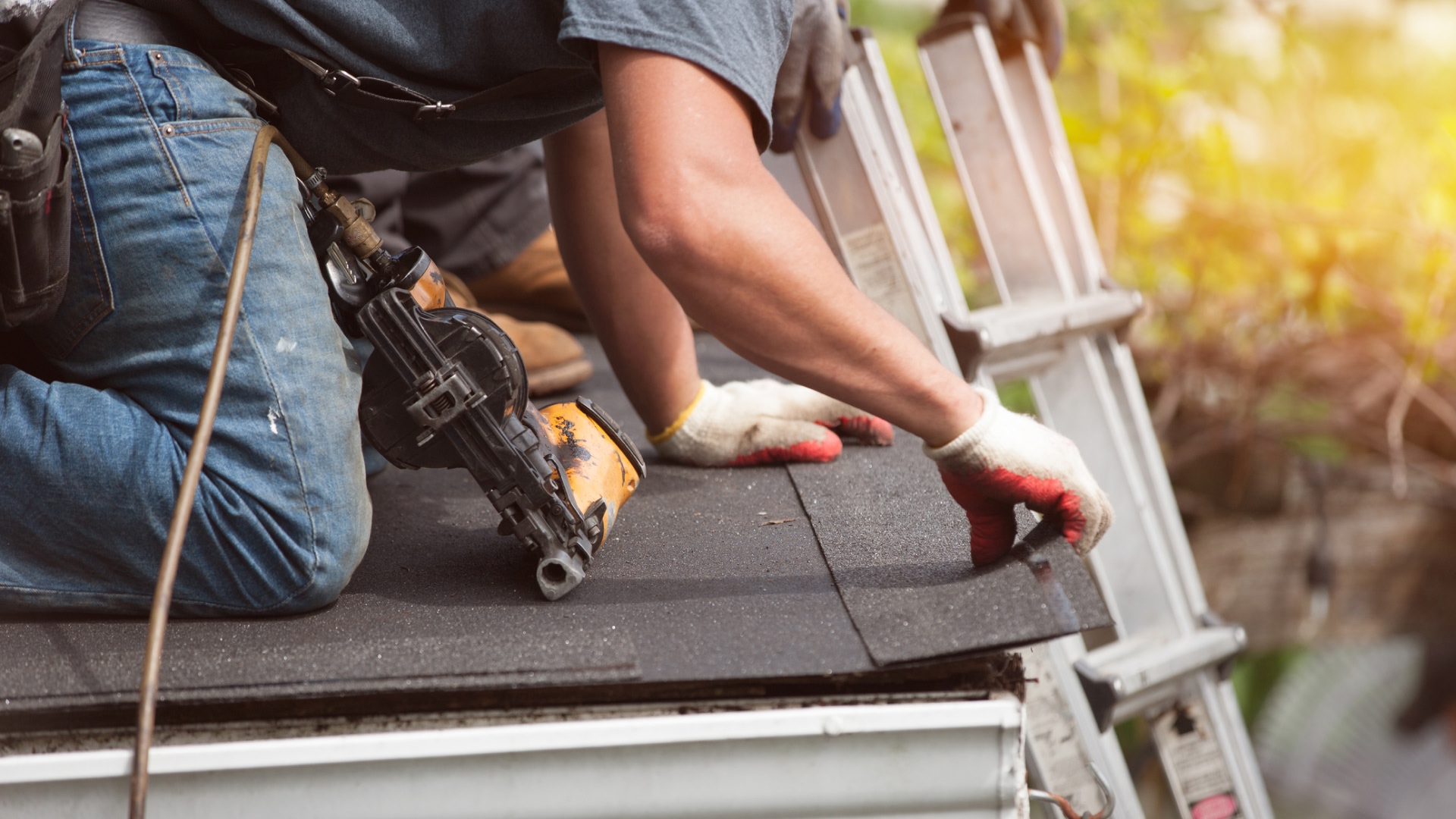


If you have heard scratching above your ceiling at night or noticed droppings near the edge of your roof, it is easy to shrug it off as a small nuisance. The worry often starts later, when a brown stain appears on the plaster or you find a damp patch after a Melbourne downpour. By that point, pests may have been working on your roof for months.
Many homeowners around Melbourne assume roof leaks come from age, loose tiles, or a bad storm. Those are common triggers, but they are not the whole story. Rodents, birds, and insects often start the process by opening up tiny gaps in the roof system. Water and humidity then move through those gaps and quietly damage timber, insulation, and ceilings.
We see this pattern regularly on roofs we inspect. Hippo Roofing LLC has completed more than 10,000 roofing projects across Central and Eastern Florida since 2008, and that experience with heat, humidity, and storms gives us a clear understanding of how small openings behave under tough conditions. The same principles apply to Melbourne’s wet, variable weather. In this guide, we walk through how pests actually damage roofs, what early warning signs to watch for, and how a professional inspection can catch problems before they turn into major repairs.
Why Pests Are a Hidden Cause of Roof Damage in Melbourne
Melbourne’s homes sit in conditions that pests love. Nearby trees, gardens, sheds, and fences give rodents and birds easy access to rooflines. Warm, sheltered roof spaces offer a safe place for nesting during cooler months, and shaded eaves stay attractive in hot weather. Insects can thrive around damp timber and sheltered corners, which means the edges of the roof often become a highway for pest activity.
When a leak appears, most people think first about broken tiles, worn shingles, or a recent storm. Those are obvious suspects, so pests stay off the radar. Yet many of the “mystery leaks” roofers investigate start with pest damage. A rodent chews through a timber fascia board. Birds stuff nesting material under a tile and lift it just enough. Insects hollow out a piece of soffit so it no longer supports the eave properly. The roof might still look intact from the ground, but the system has already been compromised.
Once pests create an opening, water and humid air do the long-term damage. Rain gets behind the outer covering and soaks into the roof decking. Warm, moist air from inside the home can escape through the gap, then condense on cooler timber in the roof space. Over months, that combination of minor pest damage and repeated moisture leads to rot, mould, and weakened framing. Understanding this chain of events is the first step to stopping it early.
How Rodents & Raccoons Turn Small Gaps into Costly Roof Leaks
Rodents and raccoons are persistent. Once they decide your roof space looks like a good home, they test weak spots until they find a way inside. Common targets include the fascia (the vertical board at the edge of the roof), the soffit (the underside of the eave), ridge vents, and the areas where pipes or vents pass through the roof surface.
Rodents use their teeth to gnaw through timber fascia and soffit boards, especially if the timber is already softened by age or past moisture. They might start with a small hole near a corner joint or around a cable entry. As they chew, paint flakes and small wood chips fall. Once the opening is big enough, they squeeze into the roof space and start nesting in the insulation. Raccoons, where present, use strength as much as teeth. They can pull up loose shingles or tiles, tear at ridge caps, and push aside poorly fastened metal flashing, turning hairline gaps into full openings.
Under the outer surface of the roof, there is usually an underlayment, sometimes called sarking or a membrane, that sits between the tiles or shingles and the roof decking. Rodents do not stop at the first layer. They chew through underlayment to reach insulation and dry timber. That torn underlayment becomes a pathway for wind-driven rain. Instead of flowing cleanly down the outside of the roof, water can run along the top of the underlayment and then drip through the holes into the roof decking.
Imagine a section of soffit where a mouse has chewed a hole near a joint. At first, you might only have a small opening, hidden under the eave. Over a few weeks, rodents travel in and out, widening the gap. During the next heavy rain, water follows the underside of the roof covering and reaches the damaged area. With the underlayment torn, water drips onto the edge of the roof decking and then onto the insulation below. The insulation becomes damp and starts to sag. After several storms, the timber edge darkens and softens, nails rust, and eventually a stain appears on your interior ceiling near an external wall.
As a Florida Certified Roofing Contractor, our team has been trained to recognise these patterns. During roof inspections, we do not just look for obvious surface damage. We look for gnaw marks along fascia and soffits, disturbed insulation around plumbing penetrations, and staining on the underside of decking that lines up with likely entry points. That system-wide view helps us pinpoint where rodents or raccoons have turned a minor gap into an active leak path.
How Birds & Insects Quietly Break Down Roof Tiles, Metal, & Shingles
Birds and insects often damage roofs in slower, less visible ways than rodents, but the end result can be just as serious. Birds see the gaps under tiles, along valleys, and in gutters as perfect nesting spots. Insects such as termites and carpenter ants focus on the timber elements that support the roof covering. Wasps and bees may build nests in cavities around eaves and behind cladding, adding weight and blocking ventilation.
On tile roofs, birds commonly push nesting material under the lower edge of a tile to create a sheltered space. That small wedge of twigs and leaves lifts the tile slightly. In calm weather, you might not notice anything. In a Melbourne storm, with wind-driven rain, that few millimetres of lift lets water run sideways under the tile instead of over it. Over time, water can reach the tile batten (the timber strip that supports the tile) and the roof decking beneath. Repeated cycles of wetting and drying cause the batten to crack or rot, making it easier for more tiles to move out of position.
On metal and shingle roofs, birds often target gutters and valleys, the channels that carry water off the roof. They fill these with twigs, leaves, and even rubbish, building nests that block water flow. When gutters or valleys overflow, water may back up under the lower edge of metal sheets or shingles. If the roof relies on underlayment and proper overlaps to keep water out, this backed-up water can find any small gap or poorly sealed joint and reach the decking below.
Insects play another role, particularly in timber elements around the roof edge. Termites and carpenter ants can hollow out fascia boards, rafters near the eaves, and even the timber that supports soffits. From the outside, the paint might still look intact, but underneath, the timber is soft and weak. A weakened fascia board struggles to hold nails or screws. This makes it much easier for wind and pests to move the attached gutters, soffits, or roof covering, opening new gaps. Wasps and bees that build nests in cavities around the roof can block vents or fill pockets behind cladding, which interferes with ventilation and allows pockets of warm, moist air to sit against timber.
Our partnerships with companies such as CertainTeed, Tamko, Crown Roof Tiles, Owens Corning, and RPS Metal Roofing & Siding give us access to durable products designed to hold fasteners securely and resist lift when installed correctly. That matters in pest-prone areas. A well-fastened tile or metal panel is much harder for birds to disturb, and a solid, well-maintained fascia gives insects and moisture fewer weak spots to exploit. When we repair pest-related damage, we focus on restoring that structural integrity, not just covering the visible mark.
Early Warning Signs of Pest Roof Damage You Can Spot Safely
You do not need to climb onto your roof to catch the early signs of pest damage. In fact, we recommend you stay off the roof for safety and to avoid causing more harm. There is a lot you can see and hear from inside your home and from the ground outside if you know what to look for.
Inside, listen for scratching, scurrying, or movement above ceilings, especially at night. Check your roof space hatch, if you have safe access, for droppings, shredded insulation, and nesting material. Take note of any new musty smells, which can point to damp insulation or timber. Look around cornices and ceiling joins for new stains, faint brown rings, or small patches of bubbling paint, particularly near external walls. These subtle changes often appear before a full-blown leak shows up as a dripping ceiling.
From outside at ground level, scan the roofline and eaves. Look for visibly chewed or ragged sections of fascia or soffit, gaps where the soffit meets the wall, or loose-looking panels. Check whether any tiles or shingles appear lifted, cracked, or out of alignment compared to the rest of the roof. Watch gutters and downpipes during rain to see if water overflows in particular spots, which can indicate blockages from nests or debris. Birds repeatedly ducking in and out of the same gap under a tile or fascia board are a strong clue that there is a cavity they are using.
These signs differ from normal ageing. A roof that is simply getting older usually shows more uniform wear, such as general colour fading or minor surface cracking across large areas. Pest damage tends to be localised, such as one corner of fascia that is chewed, one cluster of tiles that look lifted, or one spot where birds focus their activity. When we carry out inspections for families in our service areas, we combine these visual and sound clues with close-up checks so we can tell the difference between harmless wear and problems that need attention.
Our inspection process includes both exterior and roof space checks when access allows. We look at how insulation sits, whether there are trails through it, and whether there are stains on the underside of the roof decking that line up with suspected entry points. We then explain what we find in plain language, often with photos, so you can see exactly what is going on before deciding on any repairs.
Why Ignoring Pest Activity Quickly Turns into Structural Roof Problems
Pest activity around the roof rarely stays a surface issue. Once pests open a gap, the way air and moisture move through your roof system changes, and that can set off a chain of structural problems. Understanding that chain helps explain why a delay of just a few months can make a big difference to the scope of repairs.
Roofs rely on controlled ventilation. Eaves, soffit vents, and ridge vents allow air to move through the roof space so heat and moisture do not build up. When pests chew through soffits or vents, the gaps are no longer in the right places or sizes. Humid air from bathrooms and kitchens can rise into the roof space and then escape through the wrong opening, often right next to cooler timber or metal. Moist air that touches a cool surface turns into condensation, leaving water droplets on rafters, trusses, and the underside of the roof decking.
At the same time, leaks created by torn underlayment or lifted tiles add liquid water to the mix. Insulation that gets wet clumps together and loses its ability to trap air. This makes the home harder to cool or heat and keeps the roof space more humid. Damp insulation sitting against decking and rafters keeps those materials wet for longer after each rain, which speeds up rot in timber and corrosion in metal connectors or fasteners. Over time, this can weaken the structural members that carry the weight of the roof.
Consider a situation where birds have been nesting in a particular valley for half a year. The valley metal becomes buried in twigs and leaves, blocking water flow. Each heavy rain sends water sideways under adjacent tiles or shingles. The first few times, the decking gets a bit wet and then dries. Months later, the timber in that section starts to soften. A person walking on the roof in that area might feel a spongy patch. Inside, you might see a stain or notice a slight sag in the ceiling. At this point, what could have been a simple clean-out and tile reset may have become a valley replacement and partial decking rebuild.
Across our thousands of projects, we have seen many small problems grow this way. That experience shapes how we advise homeowners. Addressing pest-related openings early keeps repairs localised, for example replacing a chewed fascia section and patching a small area of underlayment. Waiting until stains appear and timber weakens often means more extensive work, such as replacing sections of roof decking, re-battening tiles, and repairing interior ceilings. Acting sooner is usually the more cost-effective path.
Pest Control vs Roofing Repairs: Who Fixes What?
One of the most common questions we hear is whether to call pest control or a roofer first. The reality is, both play important roles, but they do different jobs. Pest control companies focus on removing or treating the pests. Roofing contractors focus on repairing the building envelope, which includes the roof covering, underlayment, decking, fascia, and soffits that keep water and animals out.
A sensible sequence starts with assessment. If you suspect pests have damaged your roof, a roofer can inspect the exterior and roof space to identify where they are getting in and how much of the roof system is affected. Once we know the entry points and damage, pest control can remove or treat the animals using methods that are suitable for your situation. After that, the roofer returns to permanently close those entry points and repair any damaged components.
Trying to shortcut this process creates problems. Treating pests without repairing the physical damage leaves open invitations for new animals to move in. Closing gaps without understanding how pests are using the space can trap animals inside the roof, leading to smell, mess, and even further damage as they try to escape. Temporary fixes such as stuffing gaps with steel wool or using spray foam alone might look sealed, but rodents can often chew through these, and foam can trap moisture against timber if used in the wrong place.
Roof repairs for pest damage can include replacing chewed or rotten fascia boards, reattaching or replacing loose soffit panels, reinstalling or upgrading vents, and restoring the roof covering above. On the roof surface, this might mean replacing cracked or lifted tiles, re-fastening metal sheets, or installing new shingles in areas pests have disturbed. Under the surface, it can involve patching or replacing torn underlayment and checking flashings around chimneys, skylights, and plumbing penetrations that pests may have shifted.
At Hippo Roofing LLC, we often coordinate with homeowners and their chosen pest control providers. Our goal is to restore the roof to a secure, weather-tight condition that is much harder for pests to compromise again. That means addressing the visible hole and the underlying weaknesses that made the entry possible in the first place.
How Professional Roof Inspections Catch Pest Damage Early
A professional roof inspection for pest damage goes far beyond a quick look from the driveway. An experienced roofer knows which details give pests access and how to read subtle signs that point to hidden problems. That level of assessment is difficult to match with a do-it-yourself check, especially without safe roof access and the right training.
On the outside, we start by walking the perimeter of the home and examining the roofline. We check fascia and soffits for cracks, chew marks, and open joints. We look closely at soffit vents and ridge vents to see whether any covers are loose, missing, or damaged. Around plumbing vents, flues, and HVAC penetrations, we inspect the vent boots and flashings for gaps or lifted edges. Valleys, gutters, and downpipes receive special attention, because nests and debris in these areas are strong indicators of bird activity and water backup.
Where it is safe and suitable, we also inspect the roof space. Inside, we look for light shining through where it should not, which often points to an opening. We examine the underside of the roof decking for dark stains or mould patches that match suspected leak paths. Insulation can tell its own story. Trails through the insulation, flattened or disturbed areas, and piles of droppings near particular penetrations often line up with entry points above. We also look for signs of past patch jobs that may have covered symptoms without fixing the cause.
Inspection findings are documented clearly. Many homeowners appreciate photos that show gnawed fascia, torn underlayment, or water marks on decking. We explain which issues are urgent, which can be monitored, and what repair options exist. For minor damage, repairs might be limited to sealing a few entry points and replacing small sections of fascia or a handful of tiles. For more extensive issues, we might recommend a broader repair plan that addresses structural concerns as well as the surface.
Our team holds credentials from top organisations, including Florida Certified Roofing Contractor status and advanced training through programs such as CertainTeed Master Elite Contractor training and the CertainPath Contractor Network. Combined with partnerships with manufacturers like Tamko, CertainTeed, Crown Roof Tiles, Owens Corning, and RPS Metal Roofing & Siding, this training and material access allows us to match the repair method and product to the way your roof is built. If damage is significant enough to involve insurance, we can help with the roofing portion of the claim by providing clear documentation of the conditions we find. If repairs are larger than expected, we can also discuss financing options that make roof work more manageable.
Protecting Your Melbourne Roof from Future Pest Damage
Once you understand how pests damage roofs, prevention becomes much clearer. Some of the most effective steps are simple habits you can build into your regular home care. Others involve one-time improvements or periodic professional attention that strengthen your roof against both pests and weather.
Start with your surroundings. Keep tree branches trimmed back from the roof so rodents and possums have fewer bridges to your eaves. Clear gutters regularly so nests and debris do not create standing water that attracts insects and encourages birds. Keep an eye on areas where cables or pipes enter near the roofline and have any cracks or gaps checked and sealed by a professional. Make a habit of walking around your home every few months to look for fresh droppings, new gaps at the eaves, or birds using a specific entry point.
At the roof system level, good installation and materials make a big difference. Secure ridge caps, properly fixed tiles or shingles, robust metal panels from suppliers such as RPS Metal Roofing & Siding, and solid fascia and soffits from dependable sources give pests fewer weaknesses to exploit. When we repair pest-related damage, we aim to leave the area stronger than before by using high-quality products from partners like Tamko, CertainTeed Saint-Gobain, Crown Roof Tiles, and Owens Corning, along with sound fastening and flashing details.
Periodic professional inspections are the final piece of prevention. After major storm seasons, or any time you know pests have been active around your home, an inspection can catch small issues before they grow. Our long-standing presence across Brevard, Seminole, Orange, Volusia, and Flagler counties, strong warranties on materials and labor, and positive feedback including an A+ rating with the BBB and recognition on the Florida Today 2025 Best of the Best in Customer Service list, give homeowners confidence that we stay with them from first assessment through final inspection and beyond.
Get Ahead of Pest Roof Damage Before It Becomes a Major Repair
Pests rarely announce the damage they are doing to your roof. By the time a leak shows inside, rodents, birds, or insects may have been working on fascia, soffits, underlayment, and decking for months. Understanding how that damage starts and spreads gives you the chance to act while repairs are still localised and manageable.
If you have noticed noises in your roof space, droppings near the eaves, or new stains on ceilings or walls, a focused roof inspection can give you clear answers. Hippo Roofing LLC assesses roofs with an eye for pest-related issues, explains what we find in straightforward terms, and recommends practical repair options backed by dependable materials and strong warranties. To talk with our team about a roof inspection for possible pest damage, call us today.