
Scheduling a new roof installation can feel like playing weather roulette, especially when storm clouds build just as you are finally ready to book. You do not want crews tearing off shingles or tiles while a storm warning scrolls across the screen. At the same time, waiting too long can mean living with leaks or getting stuck at the back of a contractor’s calendar.
Many homeowners are trying to thread this needle. They know Florida weather can turn quickly, they hear about storm seasons on the news, and they have friends who waited months for a roof after a big system rolled through. What they need is a clear, honest picture of how timing, weather, and contractor demand fit together so they can choose a window that makes sense for their home.
At Hippo Roofing LLC, we have completed more than 10,000 roofing projects across Central and Eastern Florida since 2008, including many scheduled right before and after major storms. As a veteran-owned company with deep local roots, we plan around Florida’s demanding climate every week and communicate clearly about what homeowners can realistically expect. In this guide, we share how we think about the best time to install a roof in Melbourne so you can make a confident decision instead of a nervous guess.
How Weather Really Affects Roof Installation
People often focus on a single question, such as whether it will rain on the installation day. In practice, local climate affects a roof project in several ways. Heat, humidity, sudden storms, and strong winds all influence how crews plan work, which materials they handle first, and how many sections of the roof they open at once. Understanding these patterns helps you see why some days are better suited to certain tasks than others.
Rain is the most obvious concern. A passing shower is rarely a disaster if a roof is already dried in, but tearing off old material when radar shows a line of storms can be risky. Professional crews watch forecasts closely and stage their work so they are not exposing large sections of decking when the chance of rain is high. If rain moves in unexpectedly, they rely on underlayment, fasteners, and tarps to keep your home covered until the weather clears and they can continue.
Heat and humidity matter just as much. On very hot days, materials such as shingles can become more pliable and seal well, but installers must pace themselves, hydrate often, and sometimes shift hours earlier to avoid the worst mid-day conditions. Humid air can slow down drying and make some tasks more uncomfortable, which affects how long a safe, productive workday lasts. Crews who understand this structure their schedule so quality stays high even when the temperature spikes.
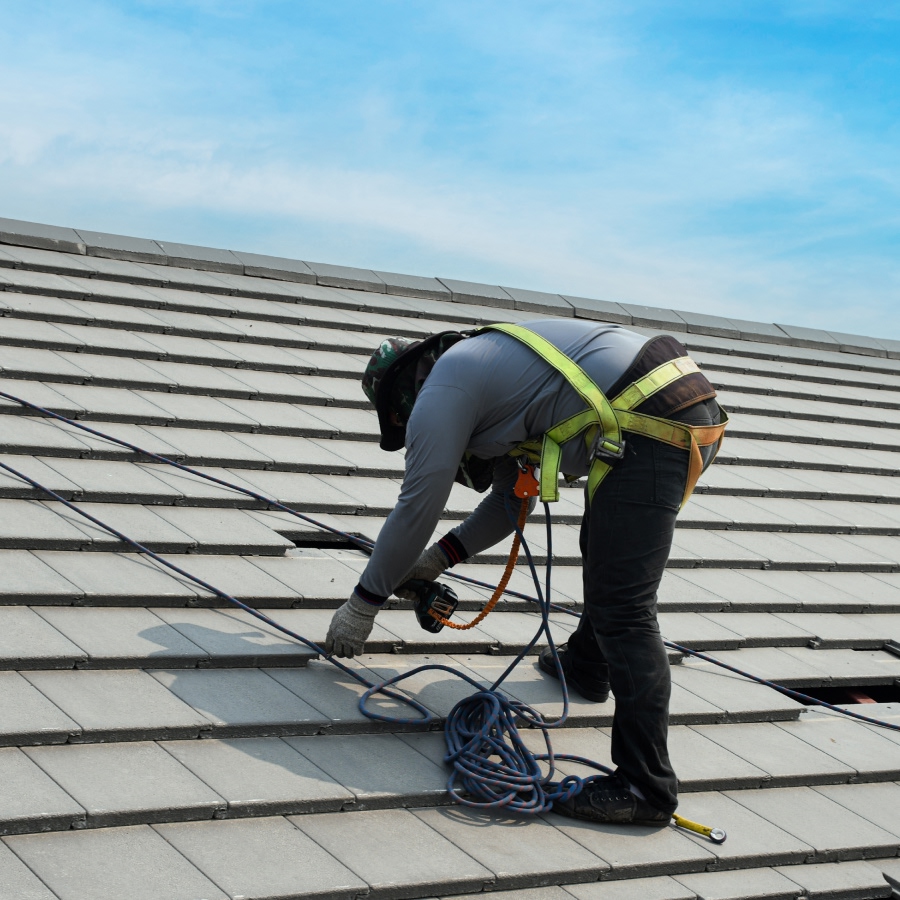
Wind plays a quiet but serious role. Strong gusts can make it unsafe to carry large sheets of metal or loose materials across a roof. They also increase the chance that debris will blow off the structure. During storm seasons, we plan around days when wind speeds are more manageable and adjust the work scope when gusts pick up. Our long-standing presence in Central and Eastern Florida means we have dealt with these patterns for many years and know how to adjust on the fly while keeping your home protected.
Fast Storms And Longer Days During the Summer
Summer often brings a mix of scorching sun and fast-building afternoon storms. Homeowners sometimes assume this makes summer a bad time for roof work, but the reality is more nuanced. Longer daylight hours can be an advantage, yet the pattern of heat and sudden showers requires careful planning. For many projects, summer can work well as long as everyone understands the tradeoffs.
One common summer pattern is a relatively calm morning followed by rising heat and a high chance of storms after lunch. Crews who install roofs in this environment tend to start early, focus on tear-off and drying in the roof while the forecast is still favorable, and then move into installation tasks that can be paused quickly if clouds build. This is why you might see a lot of activity on site in the early hours, followed by a deliberate slowdown as the day warms.
The longer days of summer can also be helpful. On clear days, installers have more daylight to complete each phase, which can shorten the total number of days a project remains open. At Hippo Roofing LLC, we use those longer windows strategically, sequencing tear-off, underlayment, and installation so we reach a secure point each day before the most volatile hours arrive. That approach helps protect homes even in a season known for sudden storms.
Daily storms, however, increase the chance of weather delays and mid-project pauses. A shower that hits after a roof is dried in is inconvenient, but not catastrophic. A sudden system that arrives while decking is exposed can be more serious. This is why we avoid opening more of your roof in summer than we can confidently secure before storms usually move through. For homeowners, this means summer installs can progress in strong bursts on good days, with occasional weather-driven breaks that we plan for and discuss ahead of time.
Why Shoulder Seasons Often Feel Like The Best Time
The weeks that sit between the hottest, stormiest stretches and the wettest periods often feel like the sweet spot for a roof install. In these shoulder seasons, we typically see fewer intense storms in a row, milder temperatures, and slightly more predictable weather. Homeowners notice that projects seem to move steadily during these windows and assume this is the single best time to install a roof.
Calmer weather lets roofing crews open larger sections of the roof with more confidence that they can complete and dry in those areas before nightfall. This is especially helpful for complex rooflines, tile systems, or metal panels where installers benefit from working across connected sections in one push. Fewer interruptions also make it easier to coordinate material deliveries, dumpster placement, and other logistics that keep a job moving.
For you, the homeowner, steadier weather often translates to fewer last-minute schedule changes and a more predictable project start date. It can be easier to arrange time away from home, pet boarding, or other personal logistics when the chance of multi-day weather delays is lower. Our teams see many homeowners asking for these weeks each year, precisely because they have heard that projects feel smoother then.
The main tradeoff is demand. Because many people target these periods, contractor calendars often fill quickly. At Hippo Roofing LLC, we encourage anyone who prefers these calmer windows to contact us early. That gives us time to inspect the roof, prepare an estimate, order materials from partners such as CertainTeed Saint-Gobain or Owens Corning, and reserve a spot on the schedule before those weeks are fully booked.
How Storm Season Spikes Demand For Roof Installation
Storm season does more than rattle windows. It reshapes roofing demand almost overnight. When a strong front or series of storms passes through, homeowners across the region step outside, look up at their roofs, and start making calls. Insurance adjusters walk neighborhoods, write reports, and recommend repairs or replacements. All of this adds up to a surge in requests that can change lead times for every roofer in town.
After a major weather event, roofers typically see a wave of inspection and emergency repair calls. Some roofs have clear damage such as missing shingles, broken tiles, or metal panels peeled back by wind. Others have more subtle issues, like newly stained ceilings or damp attic insulation that only appears when someone looks closely. Even roofs that remain intact may need careful assessment because wind-driven rain can find weak points that were not obvious before.
Once adjusters issue their findings and insurance claims move forward, another wave of demand hits. Many homeowners who were on the fence about replacing an older roof decide to act while they have claim support. That increases competition for installation dates and for certain materials or colors that are popular in the market. Suppliers work hard to keep up, but some items can take longer to arrive during peak storm recovery.
During these busy periods, we prioritize roofs with active leaks or significant structural risk, because water intrusion can quickly damage framing, drywall, and insulation. That triage protects homes that are already in trouble, but it can also shift the schedule for less urgent projects that waited until after storms to call. This is one reason we suggest contacting Hippo Roofing LLC before storm season if you already know your roof is aging or borderline. It gives you more control over timing rather than being swept into a crowded storm-recovery queue.
Contractor Calendars: How Far Ahead You Should Book
One of the biggest surprises for many homeowners is how far ahead reputable roofers often book, especially after busy weather periods. People sometimes assume they can call in early summer for a roof they would like installed the same month, only to learn that calendars are already full. Understanding typical lead times helps you back up your planning so the dates you want are actually available.
In calmer stretches, standard residential projects are often scheduled several weeks out. That window gives us time to complete your inspection, finalize your material choices, coordinate with manufacturers such as Tamko or RPS Metal Roofing & Siding, and plan crew assignments. For larger homes, commercial buildings, or complex tile or metal roofs, that timeframe can be longer simply because the work takes more days on site.
After major storm activity or in the heart of popular shoulder seasons, those lead times can extend. Many homeowners target the same weeks to avoid the heaviest rain and direct heat, and insurance-driven replacements add to the volume. In those periods, a project might be scheduled significantly further out. We communicate these realities during your initial conversations so you know what to expect and can plan accordingly.
Calling early, even if you are still firming up budget or insurance details, gives you more flexibility. At Hippo Roofing LLC, we focus on clear communication about timelines and keep you updated if weather or emergency work shifts the calendar. Our experience with more than 10,000 installations in Central and Eastern Florida has taught us that honest scheduling conversations up front prevent frustration later, especially in a market that reacts quickly to storms.
Matching Roof Condition And Timing: When You Should Not Wait
While season and convenience matter, your roof’s actual condition sometimes matters more. A home with an active leak, widespread missing shingles, or sagging areas should not wait for a preferred weather window just because a calendar says it is not ideal. The risk of additional damage from the next round of storms can outweigh the benefits of waiting for a slightly calmer period.
Leaks rarely stay the same once they start. Water can travel along rafters, drip onto insulation, and soak drywall far from the original entry point. Each heavy rain compounds the problem, increasing the chance of mold growth and structural deterioration. In Florida’s humid climate, damp areas may take longer to dry, which keeps building materials stressed for longer periods than many homeowners expect.
Compromised shingles, tiles, or metal sections are another warning sign. If wind has already lifted or removed pieces of your roof, the next storm has an easier path inside. Even if water is not yet visible in your living space, underlayment and decking can be weakened by repeated wetting and drying cycles. Over time, that can turn what might have been a straightforward replacement into a more involved project with repairs to the underlying structure.
On the other hand, a roof that is nearing the end of its typical life but still intact may give you more flexibility. This is often where we have a detailed conversation about timing. We look at current wear, local weather patterns, and your priorities, then help you decide whether to accelerate the project or target a preferred window. Either way, our commitment to strong materials and careful installation is the same, but acting before damage accelerates can protect both your home and your warranty coverage.
Planning Your Roof Install Around Budget And Insurance
For many homeowners, money and insurance timing influence the schedule as much as weather. An inspection report from a sale, a lender requirement, or an insurance recommendation can create hard deadlines. At the same time, you might be balancing savings, other home projects, and day-to-day expenses. Bringing these realities into the timing conversation helps avoid last-minute decisions driven by pressure instead of planning.
If a recent storm triggered an insurance claim, the claim process will shape your timeline. Adjusters need time to inspect, write their reports, and communicate coverage decisions. That can take longer when many properties in the area are affected. Once you know where the claim stands, you still need to choose materials, sign agreements, and schedule the work. Calling Hippo Roofing LLC early in that process lets us line up your place on the calendar while the paperwork moves forward.
Financing can also expand your options. Instead of postponing a needed replacement for months while you save the full amount, financing lets you align the project with a safer weather window or a quieter time in your family’s schedule. That can be especially helpful if your roof is already stressed by age or minor leaks and you would rather not face another storm season in that condition.
We support customers through the roofing portion of insurance claims with clear, steady guidance and offer financing options that can make roof replacement more attainable. By looking at your coverage, budget, and the seasonal calendar together, we help you choose dates that balance financial comfort with practical concerns like demand and storm risk. The more time you give yourself before a hard deadline, the more choices you will have.
How Hippo Roofing LLC Schedules Roof Installs In Changing Weather
Homeowners often ask what it actually looks like to work with a roofer in a place where storms can build quickly. The answer starts with planning. Our team at Hippo Roofing LLC monitors forecasts, looks at radar trends, and considers seasonal patterns before we commit to specific phases of your job. We schedule tear-off and dry-in work for windows that have the most favorable outlook and build contingency plans for days when conditions may change.
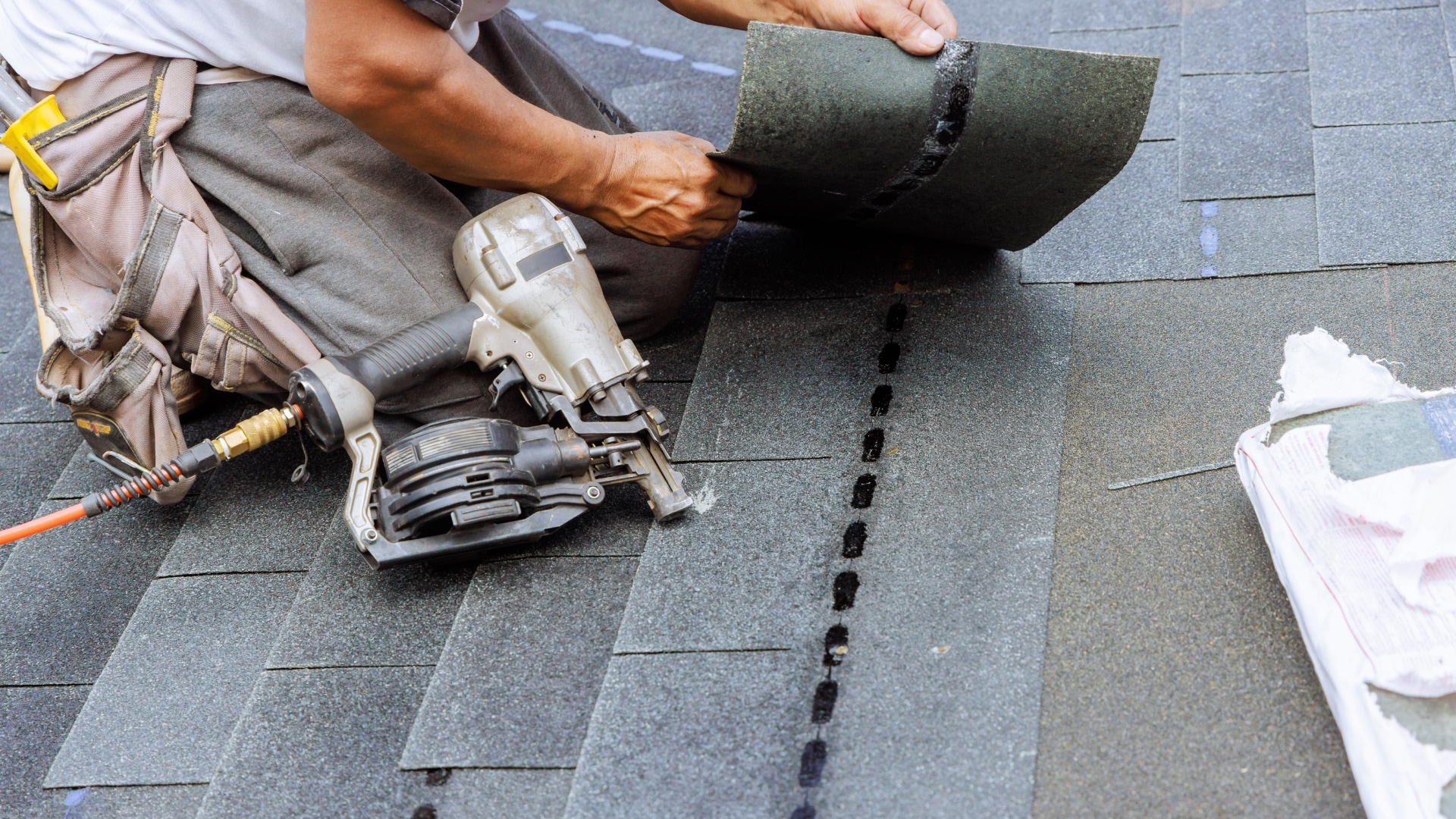
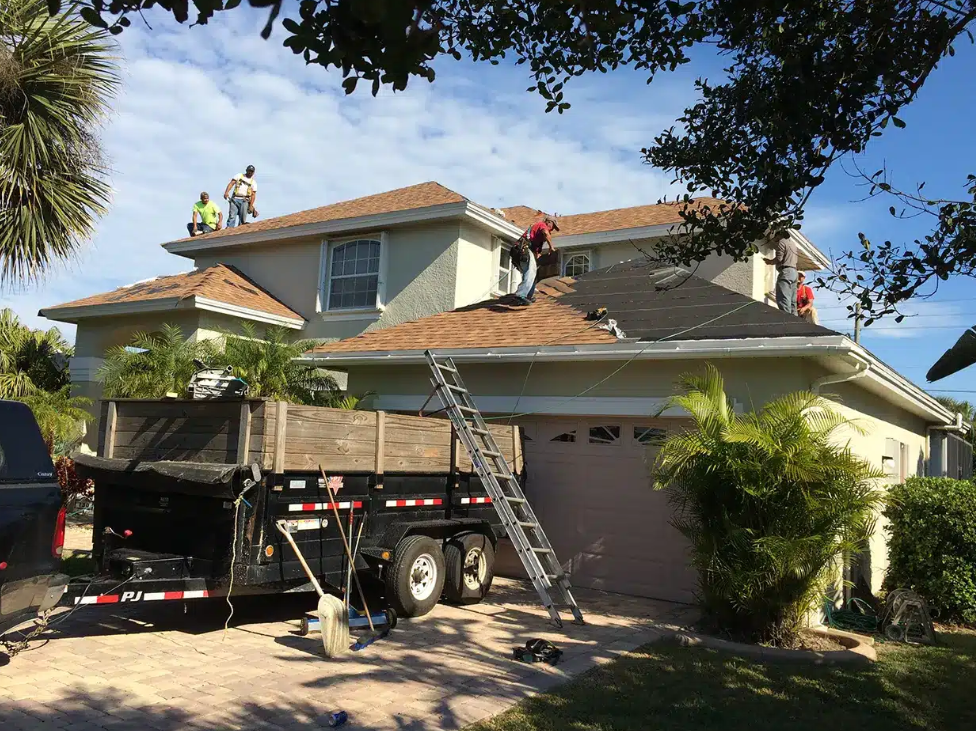
On site, we typically work in sections rather than opening the entire roof at once. Crews remove old material, inspect decking, install modern underlayment, and secure each area before moving on. That way, if a storm forms earlier than expected, your home is not left wide open. Tarps, fasteners, and careful staging are part of everyday practice, not something we only use in emergencies. This dry-in approach is guided by our Florida Certified Roofing Contractor status and advanced training, which emphasize safety and long-term performance.
Communication is just as important as technical steps. Before your project starts, we explain how long a roof like yours typically takes in the current season and what might cause minor schedule shifts. If a storm forces us to pause or adjust the plan, we update you promptly so you are not left wondering why trucks did not arrive that day. Our strong Google reviews, A+ rating with the BBB, and recognition on the Florida Today 2025 Best of the Best in Customer Service list reflect that customers value this steady follow-through.
Material quality rounds out the picture. We work with established manufacturers, including CertainTeed Saint-Gobain, Tamko, Owens Corning, Crown Roof Tiles, and RPS Metal Roofing & Siding. These partners provide systems designed for Florida’s mix of heat, sun, and storms, so your roof is built to handle the environment regardless of the month it is installed. Combined with our long-standing presence across Brevard, Seminole, Orange, Volusia, and Flagler counties, this gives you a team that understands both the climate and the community you live in.
Plan The Best Time For Your Roof Install In With Confidence
In Melbourne, the best time for a roof install is rarely a single date on the calendar. It is the point where your roof’s condition, your budget and insurance timeline, and the local weather pattern intersect in a way you are comfortable with. With the right planning, summer’s longer days, shoulder season’s steadier weather, or even a busy post-storm period can all be workable windows for a new roof.
If you are looking up at an aging or damaged roof and wondering whether to act now or wait for a different season, a conversation with a local roofing team can bring clarity. At Hippo Roofing LLC, we look at your specific roof, explain what our schedule looks like in the coming weeks, and help you weigh timing options based on real conditions, not guesswork. To talk through the best time for your roof install in Melbourne and the surrounding area, call us today.