

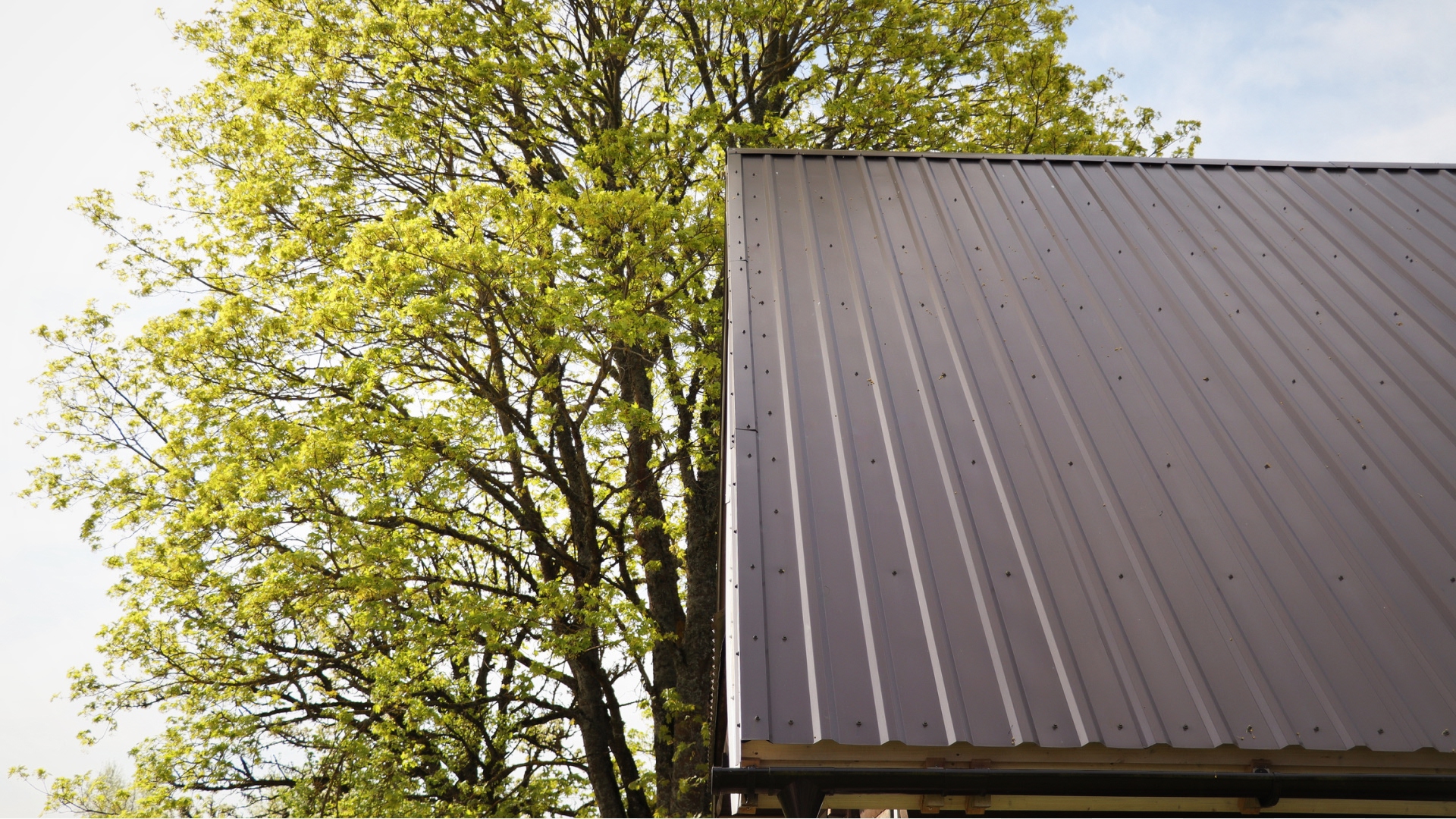
The first time a heavy Florida rain hits your new metal roof, you might find yourself listening harder than sleeping. Every ping, patter, and occasional pop stands out, and it is natural to wonder if that sound is normal or a sign that something is wrong. Add in the first big wind storm or a blazing summer afternoon, and many homeowners start second-guessing their decision.
That first year with a new metal roof brings a learning curve. You are getting used to how it looks, how it sounds, how it reacts to storms, and what type of upkeep it really needs. Without clear guidance, it is easy to worry about harmless quirks or, on the other hand, overlook early warning signs that deserve a closer look.
At Hippo Roofing LLC, we have installed and serviced thousands of roofs across Central and Eastern Florida since 2008, including many metal systems. We see what actually happens in the first twelve months, from the first thunderstorm in Seminole County to the first tropical system blowing through Brevard or Volusia. In this guide, we share what that first year typically looks like, what is normal, what is not, and how a simple plan and one good inspection help your metal roof perform the way it should.
What Your First Year With A New Metal Roof Really Looks Like
Right after installation, most homeowners feel relieved. The old shingles or worn-out roof are gone, and the new metal panels give the house a fresh look. The first few days are usually quiet. You may notice the color catching the light differently during the day, and you might feel the attic a bit cooler or warmer depending on your insulation and ventilation. For a short stretch, it can feel like the roof has disappeared into the background.
The questions usually start with the first major weather change. A strong afternoon storm in Orange County or a blustery front through Flagler can bring louder rain and a few sharp pops as the metal adjusts to fast temperature swings. In cooler mornings after hot days, you might hear gentle ticking as panels shift slightly while they cool. These new sounds can feel unsettling until you understand that a metal roof is a rigid system reacting to a dynamic environment.
Over the full first year, your roof will go through its first cycle of seasons. It will bake in the Florida sun, shed heavy rains, handle gusty winds, and possibly see the edge of a tropical storm. A well-installed metal roof that uses dependable materials should handle this without structural trouble. What changes is your familiarity with it. Once you know which noises are routine, which color shifts are cosmetic, and which signs deserve a call to a roofer, you can move from worrying to simply paying smart attention.
How Metal Roofs Settle In During The First 12 Months
Metal roofs are built to move a little. Every day in Central and Eastern Florida, temperatures climb quickly, then drop off as the sun fades or storms roll through. Metal expands as it heats up and contracts as it cools. This movement is small, but across long panels it adds up. That is why, during the first months, you might hear a few pops or clicks as the panels and attachment points adjust to real-world conditions after leaving the factory and jobsite.
The fasteners and clips that hold your metal roof down are designed with this movement in mind. Some systems use exposed fasteners with washers, others use concealed clips that allow panels to slide a bit. In the first year, these components settle into their final positions as the roof flexes through daily temperature swings and its first strong winds. A well-installed roof should not loosen under normal conditions, but it is common for a professional inspection to find a few fasteners that benefit from a slight adjustment after the roof has lived through a full season cycle.
Coatings and finishes also go through a subtle break-in period. Quality metal roofing from manufacturers such as RPS Metal Roofing & Siding and other established brands comes with factory-applied paint systems meant to handle UV exposure, humidity, and salt air. In the first year, you might notice the sheen softening slightly as the surface loses that fresh-from-the-factory gloss. On some colors, especially darker tones, the way the color appears in intense midday sun can differ from how it looked under showroom or evening light. These visual changes are usually cosmetic. A first-year inspection focuses on making sure the finish is intact, without blistering, peeling, or early rust.
Noises, Drips, and Color Changes: What Is Normal In The First Year
Sound is often the first surprise. Compared to old asphalt shingles, metal can make rain more noticeable, especially on low-slope sections or over open attic spaces. A steady downpour in Volusia County may sound like a louder, more distinct drumbeat on metal. That does not mean your roof is leaking or poorly installed. What matters is patterns. Occasional sharp pops on a hot afternoon that cools quickly or a few ticks as the sun sets are classic signs of thermal movement and are generally normal.
What is less normal is continuous rattling or flapping in modest wind or sounds that suddenly appear after a storm and stay, regardless of the weather. That kind of noise can suggest a loose panel edge, trim piece, or fastener. If you hear metal tapping or banging even on mild breezy days, especially in one area of the roof, it is smart to call a roofer to take a closer look before wind can lift that section further. We often find that an early, simple fix like securing a piece of trim or tightening a small group of fasteners prevents larger problems later.
Minor drips and moisture signs in the first year deserve careful attention. A light, one-time water spot on the ceiling right after a wind-driven storm may be tied to a particular direction of rain and a small gap at flashing or a vent. It is not uncommon for the first real sideways rain of the season to reveal a tiny area that needs additional sealant or a flashing adjustment, especially around complex penetrations. While the roof structure itself is built for storms, the details around pipes, skylights, and chimneys sometimes settle and show where a touch-up is needed. Repeated stains, active drips in normal rain, or any sign of water tracking along interior framing warrant a prompt roof inspection.
Color changes can also cause concern. Some homeowners notice slight streaks near gutters where water and airborne particles run off repeatedly, or faint chalky residue if they rub a hand on certain panel colors after months in the sun. Light water spotting on panels near overflows or areas where leaves briefly sat can be cosmetic and manageable, especially once gutters and valleys are kept clear. Early, widespread rust, bubbling paint, or bare metal showing through, however, is not normal in the first year for quality materials and should be checked quickly. Our team often helps homeowners sort cosmetic quirks from true coating or corrosion issues during a first-year visit.
How Florida Weather Tests Your New Metal Roof In Year One
Central and Eastern Florida roofs deal with more than just the occasional shower. In Brevard, Seminole, Orange, Volusia, and Flagler counties, the combination of intense sun, high humidity, and strong storms puts every new metal roof through an early trial. Long, bright days heat panels well past the air temperature, especially on darker colors. That extra heat drives stronger expansion during the day and sharper contraction when clouds, shade, or evening air cool the metal. Those temperature swings explain many of the small sounds and slight movements owners notice.
Heavy rain and thunderstorms are another major test. Metal roofs are built to shed large volumes of water quickly, but the way water hits the surface affects what you experience inside. Steep-slope roofs over well-insulated attics usually produce a steady, muffled sound, while metal over vaulted ceilings or thinly insulated spaces can seem louder. Big downpours are a chance for you to observe how your roof handles water at valleys, around dormers, and near any lower-level roof tie-ins. From the ground, you can look for fast-moving water, overflowing gutters, or water backing up behind debris piles in valleys.
Wind is where design and installation practices tailored to Florida really matter. Building codes in our region require specific fastening patterns and edge details to resist uplift. In the first year, your roof will likely see at least one event with gusty winds that try to pull at panel edges, ridge caps, and trim. A solid installation holds firm, but strong wind can reveal any area that did not fully seat or where an edge piece needs additional fastening. After storms, we look closely at those high-stress zones, especially around corners and eaves, to make sure everything remains tight. If you are on or near the coast, salt in the air adds another factor. A first-year inspection in those areas includes checking cut edges, fasteners, and exposed steel for very early signs of corrosion so it can be addressed while still minor.
Your First-Year Metal Roof Checklist Month By Month
A simple, structured checklist can turn that first year from guesswork into a manageable routine. Think of it as a few short check-ins spread across the calendar, not an ongoing project. You do not need to climb on the roof. Most of what you can do is from the ground, from safe ladders, or from inside your home, paired with a planned professional look once the roof has lived through real weather.
First 30 days after installation:
- Walk the property after the first couple of rains: Look up at the roof for obvious issues like panels out of line, loose trim, or missing pieces. Listen to the sound of the rain inside so you have a baseline for what is normal.
- Check your attic or top-floor ceilings: After heavy rain, look for damp spots, fresh stains, or musty smells, especially under valleys and around penetrations.
- Note any unusual noises: Occasional pops are expected, but write down if you hear persistent rattling in a particular area.
After your first big storm or high-wind event:
- Walk the perimeter again: Check for bent or lifted metal at edges, ridge caps, and overhangs that you can see from the ground.
- Inspect gutters from a safe position: Look for metal particles or other debris, and clear out leaves and branches that could trap water at the roof edge.
- Check inside again: Any new ceiling spots, drips, or damp insulation should prompt a call to a roofer.
Mid-year, during peak heat:
- Pay attention to daily noise patterns: A bit of ticking as the roof cools in the evening is typical. Continuous sounds that feel new, especially in calm weather, are worth noting.
- Look for surface changes: From the yard, see if any areas look noticeably different in color, shine, or texture, especially near standing trees or overhangs where debris might collect.
- Make sure roof-related yard debris is trimmed: Cut back branches that rub against the roof or drop heavy, recurring debris.
End of year, after a full season cycle:
- Schedule a professional inspection: This is the point where a roofer like Hippo Roofing LLC can get on the roof safely, check fasteners, seams, and flashing, and make small adjustments if needed.
- Gather notes and photos: Share any photos you took of water spots, unusual areas, or specific noises and when they occurred. This helps direct the inspection.
- Review any warranty paperwork you have: Make sure you are meeting basic care expectations, such as keeping gutters clear, which supports performance and coverage.
What A Professional First-Year Metal Roof Inspection Covers
A thorough first-year inspection looks very different from a quick glance at the driveway. When our team visits a metal roof that has been through its first seasons in Florida, we follow a structured process shaped by our training and field experience. The goal is not to find problems for the sake of it. The goal is to confirm that the roof is performing as designed and to catch small items while they are simple to address.
We start with the attachment system. On exposed fastener roofs, we check for fasteners that may have backed out slightly or washers that show early signs of wear or compression. On concealed fastener systems, we look at panel alignment and how clips and seams are holding up under thermal movement. Along ridges, hips, and eaves, we make sure trim pieces are seated properly and that fasteners remain snug and correctly placed. It only takes a few loose fasteners in a high-wind zone to create an opening for uplift in a strong storm, so this step matters.
Next, we focus on flashing and penetrations. These are the areas around vents, pipes, skylights, chimneys, and wall intersections. We look for hairline gaps, dried or shrunken sealant, or small separations where water could sneak in during a sideways rain. Even a tiny gap that only leaks under a certain wind direction can stain ceilings or dampen insulation over time. Adjusting flashing, renewing sealant where needed, and confirming that water is being directed away from vulnerable joints are all part of a solid first-year tune-up.
We also check the surface of the panels and the overall drainage. That includes looking for signs of ponding in low areas, checking that valleys are clear and free of debris that could hold water, and scanning for early corrosion, scratches, or coating damage. Quality materials from the manufacturers we use are built for Florida conditions, so major issues are uncommon in the first year, but catching a scratch or isolated rust spot early allows for focused repair before it spreads. Our status as a Florida Certified Roofing Contractor and our advanced training through manufacturer and contractor networks guide how we carry out each of these checks in a consistent way.
Protecting Warranties and Insurance Support In Your First Year
Your new metal roof likely comes with separate protections. There is the manufacturer warranty on the metal and finish, and there is the labor warranty from the roofing company that installed it. While specific terms vary, most of these warranties assume some basic maintenance and prompt reporting of concerns. The first year is when you establish the habits and documentation that support those protections if they are needed later.
Regular gutter cleaning, keeping tree branches off the roof, and calling about leaks or unusual signs instead of waiting all show that the roof has been cared for reasonably. If a panel coating issue shows up or a leak develops around a flashing, having a record that you scheduled a first-year inspection can help show that the problem is not tied to long periods of neglect. This is one more reason we recommend that end-of-year professional look after your roof has gone through its first round of local weather.
Storms introduce the insurance piece. If a severe event hits Central or Eastern Florida in your roof’s first year and you suspect damage, photos, inspection notes, and dated records become valuable. They help distinguish between a small, pre-existing blemish and clear storm-related impact. At Hippo Roofing LLC, we regularly assist customers with the roofing portion of insurance claims. That can include documenting visible damage, explaining how the storm likely affected the roof, and providing the information your carrier needs to evaluate the roofing side of the claim. You are not expected to know how to show roof damage on your own, and early, organized information makes that process smoother.
When To Call A Roofer About Your New Metal Roof
Learning what is normal should not keep you from calling when something feels off. There are clear signs that deserve a professional visit sooner rather than later. Active leaks, especially those that repeat in the same spot, are at the top of the list. If you see water dripping, spreading ceiling stains, or damp insulation inside, a roofer should evaluate the roof, flashing, and any nearby penetrations promptly. After a strong storm, visible damage such as bent panels, missing trim, or exposed underlayment is also a reason to call quickly.
Other red flags are more subtle but still important. Persistent rattling or clanging in low to moderate wind, areas of the roof that appear to lift or flex when gusts hit, or new, sharp noises that begin right after a storm and continue regardless of weather all suggest movement at fasteners or edges that needs attention. Early rust spots that grow, bubbling or peeling finish, or sections that look substantially different from the rest of the roof also merit a closer look. These symptoms can point to isolated coating failures, trapped moisture, or other issues that are far easier to address in the first stages.
You do not have to wait for an emergency to reach out. Many of our calls from Brevard, Seminole, Orange, Volusia, and Flagler counties are from homeowners who simply want a calm, informed opinion about something they have noticed. Our team focuses on clear communication and steady follow-through, so you get an honest assessment of whether what you are seeing is routine or something we should correct. The sooner you ask, the more options you usually have for straightforward, practical solutions.
Make Your First Year With A Metal Roof Work For You
The first twelve months under a new metal roof are your chance to learn how it behaves on your home, in your part of Central or Eastern Florida. With a little attention, a short yearly checklist, and one thorough inspection, you can turn that first year into a confidence builder instead of a guessing game. You will know which sounds to ignore, which small changes to watch, and when to lean on a roofer’s eye so that small issues stay small.
If you are living with a new metal roof now, or planning one soon, Hippo Roofing LLC can walk you through that first year with practical guidance and professional inspections. Our experience across thousands of local projects, strong material partnerships, and steady customer service mean you get a team that knows what your roof should be doing and how to keep it performing. To talk about a first-year check or ask questions about what you are seeing on your roof, call us today.