
Having your roof replaced can feel a bit like handing your home over to strangers and hoping for the best. You know crews will be on your roof, old materials will be coming off, and trucks and dumpsters will be out front, but it is hard to picture what that really looks like day to day. That uncertainty alone can make the whole idea of a roof replacement in Melbourne feel stressful.
You might be staring at a quote, dealing with a leak after a storm, or hearing from your insurer that it is time for a new roof. On top of cost, your biggest questions are usually about disruption. How loud will it be, how long will it take, and what do you and your family need to do before anyone climbs a ladder? A clear picture of the roof replacement process can turn this from a vague worry into a project you can plan around.
At Hippo Roofing LLC, we have completed more than 10,000 roofing projects across Central and Eastern Florida since 2008. We have seen how Florida heat, storms, and local inspection requirements shape the way a roof replacement actually unfolds on Melbourne homes. In this guide, we will walk you through each phase, show you what surprises homeowners most, and share practical steps you can take so your own project runs as smoothly as possible.
What Homeowners Can Expect From A Roof Replacement
Most Melbourne homeowners reach roof replacement after one of a few turning points. The roof may be approaching the end of its typical life, you may be chasing recurring leaks, or a recent storm may have left visible damage or missing shingles. However you get there, the same basic process applies, and knowing that process ahead of time makes the experience much easier to manage.
A residential roof replacement is not a single action. It is a sequence that starts with inspection and planning, moves through scheduling, site preparation, tear off, dry in, installation, and inspections, and ends with cleanup and a final walkthrough. Each stage has its own rhythm and impact on your daily life. For example, tear off is loud and fast paced, while final walkthrough is slower and more conversational.
Florida climate and local regulations add their own layer to this timeline. Afternoon storms can influence when we start tear off and how we dry in the roof. Permits and inspections influence which days crews can be on your home and what needs to be ready for an inspector to sign off. Because Hippo Roofing LLC works across Brevard, Seminole, Orange, Volusia, and Flagler counties, we build these local patterns into our planning so the process is predictable for you, even when the weather is not.
From First Call To Signed Proposal: How We Get Your Roof On The Schedule
The process starts well before you see a dumpster in your driveway. After you contact us, we schedule an on site inspection. During that visit, we look at the roof surface for missing or damaged shingles or tiles, signs of impact from debris, and wear at ridges and valleys. We also pay attention to flashing around chimneys, skylights, and walls, because those are common leak points in Florida storms. When needed, we check the attic for signs of moisture, staining, or daylight where it should not be.
We document what we find with notes and photos. That documentation matters because it drives the scope we recommend and gives you something concrete to look at instead of vague descriptions. If there are soft spots in the decking or areas where previous repairs were done poorly, we explain how that can affect tear off, the need for replacement decking, and the final cost and duration. Our training as a Florida Certified Roofing Contractor, along with advanced manufacturer and contractor network education, shapes how we evaluate code requirements and manufacturer standards for your roof type.
Next, we build and present a proposal. This typically includes options for materials that make sense for our climate, such as architectural shingles, certain types of tile, or metal systems that perform well in Florida heat and storms. We explain the differences in performance, appearance, and typical lifespans, as well as how each option affects the installation process. If your project involves an insurance claim, we focus on the roofing portion of that claim. We help you understand how our scope aligns with what the insurer has outlined and what documentation we can provide.
Financing often comes into play at this stage too. Roof replacement is a major investment, so we make space in the conversation for payment options, including available financing plans. Once you are comfortable with the scope, materials, and payment approach, we work with you to select a start window that fits your schedule and also considers material delivery lead times, permit timing, and expected weather. By the time you sign, you should have a clear sense of what the next several weeks will look like.
Preparing Your Home And Family Before Roof Work Starts
The days before your roof replacement are your best chance to make the project easier on your family. Inside the home, roof work creates noise and vibrations that travel through framing. We recommend taking fragile items off walls and shelves, especially in rooms directly under the roof. Picture frames, mirrors, and decorative objects can shift as crews walk and fasten materials above. If you have items stored openly in the attic, covering them with plastic or sheets can help keep dust off.
Planning for noise matters, particularly if you work from home, have small children, or care for someone sensitive to sound. Tear off and fastening can be intense during parts of the day. Some homeowners choose to be away during the loudest phases, while others set up in a room on the lowest level with noise canceling headphones. There is no single right answer, but knowing what to expect lets you decide what works best for your household.
Outside, clearing the work zone reduces risk and speeds up the crew. We suggest moving vehicles out of the driveway and away from the house so they are not near falling debris and so trucks, trailers, and material deliveries have room. Patio furniture, grills, potted plants, and toys should be moved away from the exterior walls and covered or stored if possible. If there are areas of landscaping you are particularly concerned about, such as delicate shrubs or a garden bed, point them out so we can take extra care when we tarp and stage equipment.
Pets and kids need their own plan. Roof replacement brings strangers, noise, and occasional thumps on the roof, all of which can be stressful for animals. Many owners arrange for pets to stay with a friend or at a daycare during tear off day. If they stay home, keeping them in a secure interior room away from entrances where crews are moving in and out helps. For children, clear boundaries around the yard and driveway are critical because nails and debris can appear during the workday. Before we start, our team does a walkaround with you to confirm access points, review any special requests, and explain how we will move around your property.
What Happens Step By Step on Roof Replacement Day
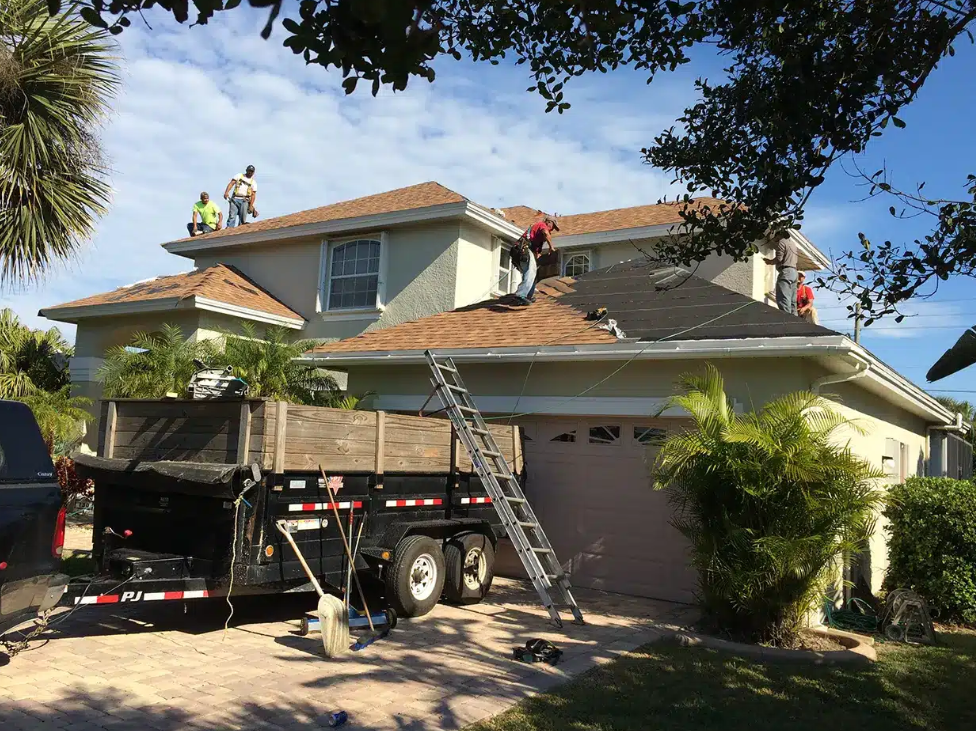
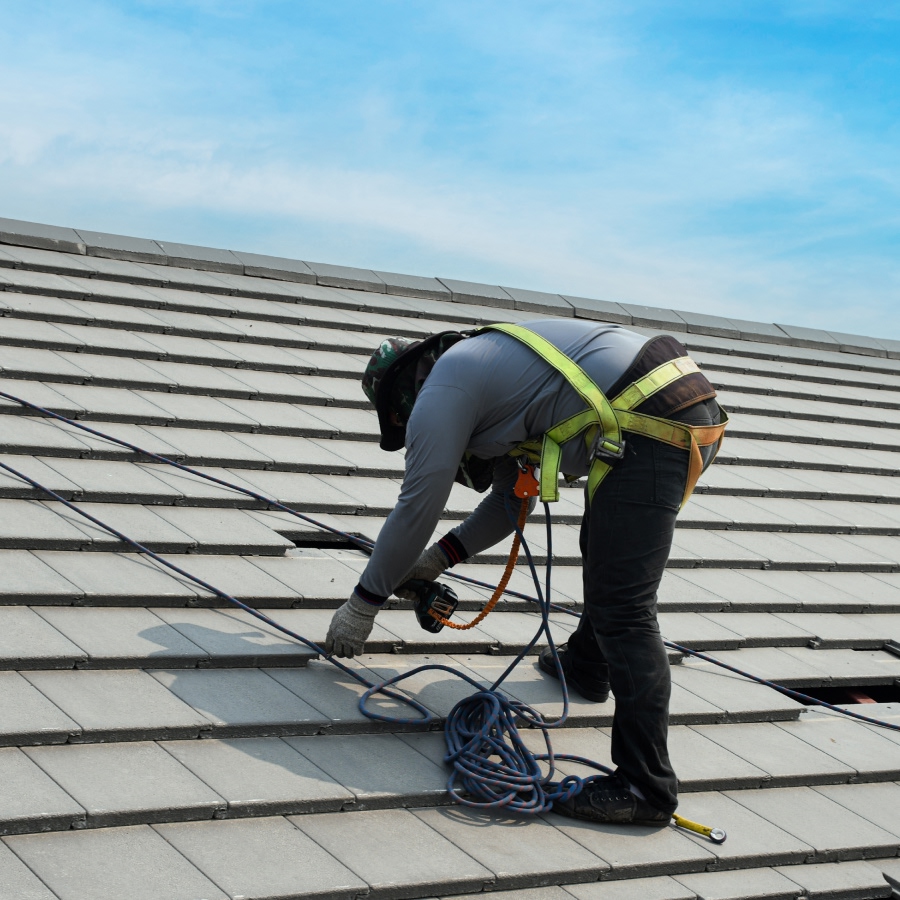
On the first day of active work, you can expect our crew to arrive within the agreed time window, often early, to make the most of cooler morning hours. The lead will check in with you, confirm the plan, and answer any last minute questions. We start by setting up ladders, safety equipment, and protective coverings. That includes tarps around the base of the house to catch debris, plywood or temporary shields over windows, AC units, and other vulnerable features, and placement of the dumpster or trailer where debris will go.
Once the site is set up, tear off begins. Crews systematically remove old shingles or tiles, underlayment, and damaged flashing, working in sections so that too much of the roof is not exposed at once. This is usually the loudest part of the job, with scraping and thuds as materials come off and land on the tarps and in the dumpster. We keep a close eye on the weather, especially in Central and Eastern Florida where pop up showers are common, and we adjust the pace and size of exposed areas so we can get each section dried in quickly.
As old materials come off, we inspect the decking. Any rotten or soft sections are cut out and replaced so the new roof has a solid base. This is one of those surprises that homeowners often do not think about ahead of time. You cannot always see deck damage from the ground, but once the old roof is removed, it becomes clear. When we find issues, we document them with photos, show you what we see, and explain what needs to be done before installation continues.
After the decking is sound, we install underlayment as part of the dry in phase. This water-resistant layer covers the deck and provides a secondary barrier against moisture. In our climate, this stage is critical because it protects your home if a storm passes through before the final surface is fully installed. We also start installing or replacing drip edge and other edge metals that protect the perimeter of your roof. At the end of each workday, we make sure the roof is in a secure, watertight state before crews leave, even if the job will continue the next day.
How Long Roof Replacement Usually Takes
Homeowners often assume a roof replacement happens in a single day, and while that can happen on smaller, straightforward roofs, many projects take longer. A typical single family home in the Melbourne area often takes a small number of days from the start of tear off to final cleanup, depending on roof size, slope, complexity, and material. Multi level homes, tile or metal roofs, and roofs with many valleys or features can take more time than simple, low slope shingle roofs.
Weather, inspections, and hidden damage can also affect timing. If afternoon storms are forecast, we may focus on getting a specific portion of the roof torn off and dried in rather than spreading out across the whole structure. That can extend the project by a day but keeps your home better protected. Local building departments sometimes require inspections at certain stages, and work may pause briefly while we wait for an inspector to arrive and sign off. We communicate these possibilities ahead of time and provide updates during the project so you are not left guessing about what is happening or how much longer it will last.
Installing Your New Roof: Details That Protect Your Home
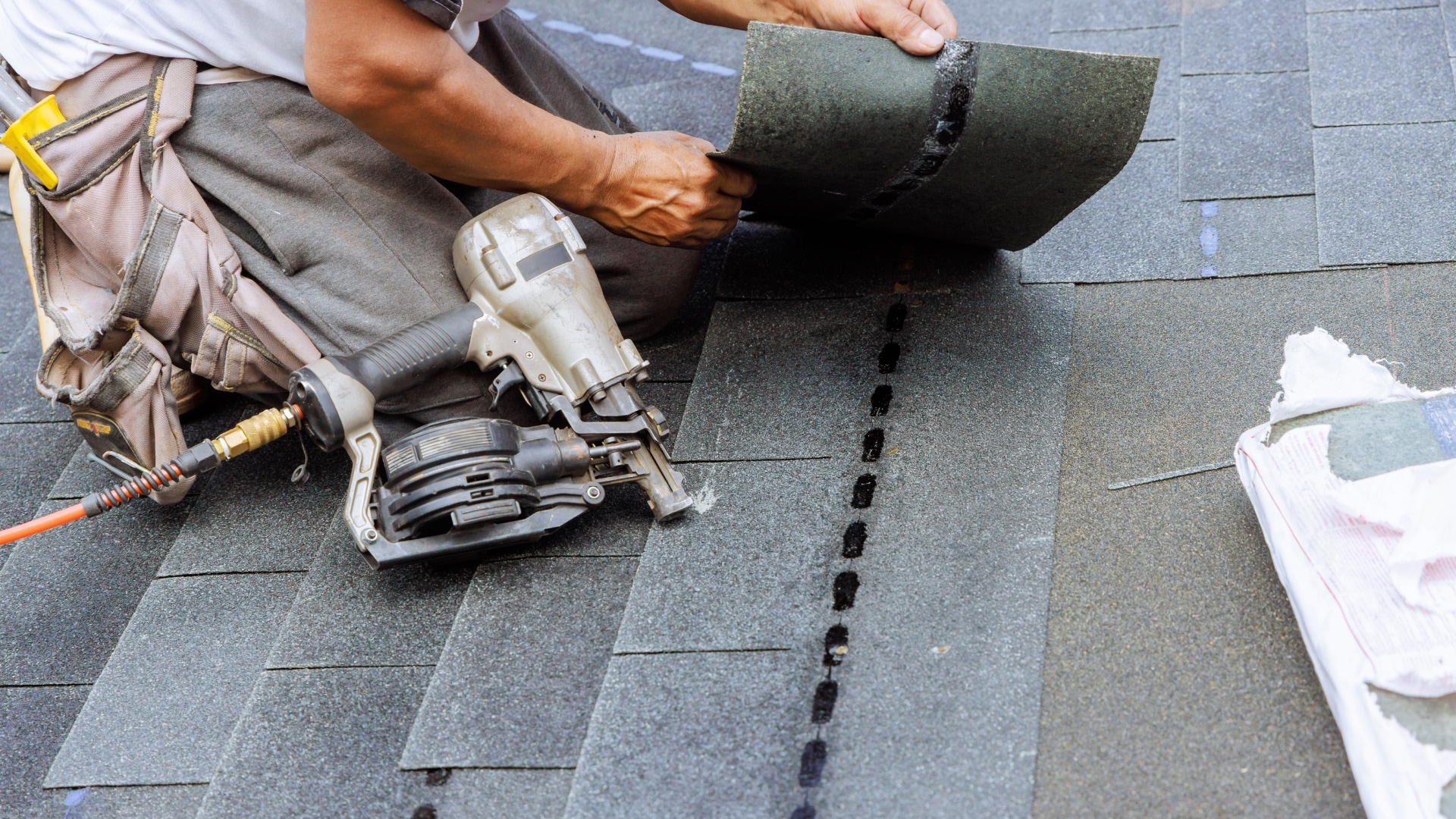
Once the roof is dried in and any damaged decking is replaced, the most visible phase begins, installing the new roofing system. For shingle roofs, we start at the eaves and work upward, following manufacturer specified patterns for staggering shingles and fastening them at the correct locations. Proper nail placement and count help the roof perform in high winds, which is especially important in Central and Eastern Florida. Ridges and hips receive their own cap shingles to lock the field together and shed water effectively.
For tile or metal roofs, installation looks different but follows the same principle of creating a continuous, well fastened system. Tile is hung and secured in specific patterns over underlayment and battens where required, and metal panels are measured, cut, and locked in place with fasteners suited to the panel profile. In all cases, the details around penetrations, such as vents and pipes, and intersections, such as where the roof meets walls, are where leaks most often start, so we focus time and care there.
Flashing is a key part of this phase. New step flashing at walls, counter flashing at chimneys, and properly formed valley metal direct water away from vulnerable joints. In Florida frequent heavy rains, correctly installed flashing can be the difference between a dry interior and recurring leaks. We follow manufacturer guidelines and our training to make sure these components are integrated with the underlayment and surface material, not added as an afterthought.
Our partnerships with respected manufacturers such as Tamko, CertainTeed Saint Gobain, Crown Roof Tiles, Owens Corning, and RPS Metal Roofing & Siding give our customers access to roofing systems that are designed for durability. Just as important, those partnerships give us clear installation standards to follow. Adhering to those standards during installation supports material and labor warranties and gives you confidence that the finished roof is built to handle the heat, sun, and storms that Melbourne homes see each year.
Dealing With Surprise Hidden Damage, Weather, And Inspections
Even with careful planning, roof replacement sometimes uncovers surprises. In our humid, storm prone environment, moisture can linger in decking and around roof penetrations for a long time before it shows up as an interior stain. During tear off, we may find sections of decking that are rotten, previous repair attempts that did not meet code, or ventilation that is inadequate for the size of the home. When that happens, we pause, document the issue, and walk you through what we recommend and why.
This is where experience from thousands of projects matters. We can explain whether a problem is localized and can be fixed with a limited area of decking replacement, or whether there are patterns, such as widespread rot along eaves, that call for a broader solution. We also understand how these changes interact with your permit and any insurance claim, and we help you understand what will be updated in the scope so there are no surprises later.
Inspections are another part of the process that catches many homeowners off guard. Depending on local requirements, there may be inspections at different stages of the project. Work sometimes pauses while we wait for an inspector to visit, especially during busy seasons. Our team builds likely inspection windows into the schedule and lets you know ahead of time when an inspection is expected, so an unannounced vehicle in the driveway does not cause concern.
Weather is the variable that no roofer can control, especially in Central and Eastern Florida. Pop up thunderstorms, strong winds, and intense sun all influence how we sequence tasks. If storms develop, we may stop tear off earlier in the day to focus on securing the roof and making sure everything is covered and watertight. At the end of each workday, we leave the roof in a condition that protects the home through expected overnight weather, even if that means using additional underlayment or temporary coverings. Clear communication during these adjustments helps you understand that a slight delay is tied to keeping your home safe, not to poor planning.
Cleanup, Final Walkthrough, And Your Roof Warranty
As the last sections of roof go on, we shift focus from installation to finishing details and cleanup. During and after work each day, our crews gather debris, remove old materials from tarps, and load them into the dumpster or trailer. We pay special attention to nails and small metal pieces around the home, using magnetic nail sweepers along driveways, walkways, and the edges of planting beds. These details matter to families who walk pets, children who play outside, and anyone who parks in the driveway.
Once the roof is complete and the site is cleared of major debris, we perform a final cleanup and property check. This includes removing tarps and temporary protection, making sure gutters are free from roofing debris, and verifying that any materials or equipment have been taken away. We then walk the property with you, pointing out key parts of the new roof, such as valleys, vents, and flashing, and answering any questions you have about what you see from the ground.
During the final walkthrough, we also review documentation related to your project. This can include information on material and labor warranties and any maintenance recommendations that help keep your new roof performing as intended. Hippo Roofing LLC backs our work with strong warranties supported by the manufacturers we partner with, and our standing in the community, including positive Google reviews, an A+ rating with the BBB, and recognition on the Florida Today 2025 Best of the Best in Customer Service list, reflects how we support customers after the work is done. You leave this stage knowing who to call and what to expect if a question comes up later.
How To Decide If Now Is The Right Time To Replace Your Roof
Understanding the roof replacement process often leads to a more practical question. Is now the right moment to take this on, or can you wait? In Melbourne and nearby communities, common signs that it is time to act include leaks that return after patch repairs, shingles missing or curled after storms, visible sagging or soft spots when you walk on the roof, and granules collecting in gutters or at the base of downspouts. Inside the home, brown stains on ceilings or walls, or a musty smell in the attic, can also signal ongoing roof problems.
Choosing between another repair and a full replacement is not always straightforward. In Florida climate, roofs endure intense sun, heavy rain, and seasonal storms year after year. A repair on a relatively young roof that was otherwise in good condition can make sense, while repeated repairs on an older roof often cost more in the end than moving to a complete replacement that addresses underlying decking, flashing, and ventilation at the same time. We talk through these tradeoffs during an inspection so you can weigh immediate cost against longer term reliability.
If your roof is part of an insurance claim after a storm, timing can feel even more urgent. In those situations, having a clear, accurate assessment from a roofing contractor that understands local codes and insurer expectations can take some pressure off. At Hippo Roofing LLC, we focus on the roofing portion of the claim and help you align the scope with what the insurer has outlined, so the path forward is easier to see. In many cases, the next best step is a thorough inspection and a conversation about your roof condition, rather than guessing from the ground.
Plan Your Roof Replacement With Confidence
A roof replacement changes how your home looks and how well it stands up to Florida weather, but it does not have to turn your life upside down. Once you understand what happens before we arrive, what your property will look and sound like on workdays, how we handle surprises, and how we wrap up, the project becomes something you can plan around instead of something you dread. Clear expectations are one of the best tools for keeping stress in check.
Every roof and household is different, so the most useful next step is to look at your specific home and talk through your goals, timing, and questions. If you are in Melbourne or the surrounding Central and Eastern Florida area and are considering a roof replacement, we can walk you through what this process would look like for your property and help you decide on the right path forward.
Call (321) 325-3339 to speak with the team at Hippo Roofing LLC about your roof replacement options.