Hiring a roof maintenance company can feel risky. Maybe you have had a leak that was patched but came back, a contractor who stopped returning calls, or someone who knocked on your door after a storm and pushed you to sign on the spot. You know the roof protects everything underneath, yet it can be hard to tell, from a quick phone call or quote, who will actually look after it properly.
At the same time, you are aware that Florida’s weather, steady rain, and the odd heavy storm do not go easy on roofs. Ignoring small issues is not an option, but choosing the wrong contractor can be just as damaging as doing nothing. The good news is that you do not have to rely on guesswork or gut feel. With the right checks, you can compare roof maintenance companies using clear criteria and protect your home from the usual traps.
We have worked on thousands of roofs in a harsh climate, so we have seen what happens when maintenance is done well and when it is cut short. Reliable roofing businesses follow a consistent pattern that covers licensing, insurance, training, documentation, and communication. In this guide, we will walk through that pattern so you can find a roof maintenance company that treats your roof with the same level of care.
Why Careful Roof Maintenance Matters
Roofs do a lot of quiet work. Regular rain, wind, and the occasional hailstorm put constant stress on tiles, metal sheets, sealants, and fixings. Over time, small gaps appear in flashing, sealants start to crack, and gutters fill with debris that holds moisture against the roof. You might not notice anything inside at first, but water can already be finding its way into roof spaces and down wall cavities.
Many leaks start with something as simple as a slipped tile, a loose ridge cap, or sealant that has shrunk around a penetration. If a maintenance contractor rushes past these signs, or never goes up on the roof at all, those small defects stay in place. Moisture then works into the timber, insulation, and plaster. By the time you see a brown stain on a ceiling in your home, the damage has usually been building for some time.
Thorough roof maintenance is more than a quick glance from the driveway. It is a structured inspection that checks the entire roof surface, flashings, penetrations, valleys, and gutters, and then fixes minor issues on the spot. Contractors who treat maintenance as a proper process can extend the useful life of a roof and reduce the chances of big, sudden problems. We have seen this pattern across more than 10,000 projects in a demanding climate, which is why we take maintenance seriously and encourage homeowners to vet companies carefully.
Set Your Criteria Before You Call Any Roof Maintenance Company
Before you start searching for a roof maintenance company, it helps to decide what you will and will not accept. Without clear criteria, it is easy to be swayed by a friendly voice on the phone or a low number at the bottom of a quote. When you know exactly what you expect, you can quickly filter out contractors who are not prepared to meet a basic standard of safety and professionalism.
A good starting list of must-haves includes a current roofing license, active insurance for both public liability and workers’ compensation, a local presence, and a willingness to provide everything in writing. You want contractors who explain what their maintenance visit includes, how they will document their findings, and what kind of follow-up you can expect. If a company hesitates or gets defensive when you ask for these basics, that is a clear sign to keep looking, no matter how low the quote appears.
Price still matters, but it should come after these fundamentals. Extremely cheap quotes usually mean something has been left out, such as insurance, safety equipment, or time for thorough inspection. By setting your criteria upfront, you are deciding that you will only consider companies that can show their license, provide an insurance certificate, and issue a written scope and report. That single decision removes much of the risk from trying to find a roof maintenance company.
How To Check Licensing And Insurance For A Roof Maintenance Company
Licensing and insurance are not just paperwork. They are the foundation of a safe, legitimate roofing business. Roof work is controlled and companies need the appropriate license category for the type of roofing they perform. A genuine contractor will give you their license number or company details on request, and you can confirm that information through the relevant state register or authority website.
Insurance comes in two main forms that matter to you as a homeowner. General liability insurance is designed to cover damage the contractor might cause to your home or neighboring properties while they work. Workers’ compensation insurance covers their employees if someone is injured on your roof. Without these, you could be left carrying costs that should sit with the contractor, especially if neighbors are affected or if a worker is hurt on your property.
When you are vetting a roof maintenance company, ask for a current certificate of insurance. Check that the company name on the certificate matches the name on the quote and that the coverage dates are current. Reputable roofing teams, like ours, keep this information ready to share because it protects clients and crews. If a contractor brushes off questions about insurance or offers excuses instead of documents, that is a risk you do not need to take.
Evaluate Training, Certifications, And Manufacturer Relationships
Many homeowners hear the word “experience” and assume that years in business are enough. Time on its own does not guarantee that a contractor follows current installation methods or understands newer roofing materials. Training and ongoing education are what keep a roof maintenance company up to date. This includes both formal courses and manufacturer-led programs that teach correct handling and repair techniques for specific roofing products.
Some roofing companies invest heavily in training programs and industry networks. Our own team holds Florida Certified Roofing Contractor status, has completed advanced education through the CertainPath Contractor Network, and has received in-depth training from major brands. That kind of background means we are not guessing on a roof, and we are familiar with the materials we maintain and repair. When you are talking to a contractor, ask whether they attend manufacturer training or belong to recognized contractor groups.
Manufacturer relationships are another strong signal. We work with established names such as Tamko, CertainTeed Saint-Gobain, Crown Roof Tiles, Owens Corning, and RPS Metal Roofing & Siding because these suppliers support their products and provide technical guidance. Partnering with reputable manufacturers usually means the contractor understands product limitations, correct fastening methods, and suitable repair approaches. In your conversations, ask which manufacturers they commonly work with and whether those companies provide any technical support or training. Contractors who have to think hard about those questions may not be as connected to their supply chain as they should be.
What A Professional Roof Maintenance Visit Should Look Like
One of the best ways to vet a roof maintenance company is to ask them to walk you through what a typical visit involves. Professional teams follow a predictable pattern. They arrive when promised, introduce themselves, and explain what they will be doing. Proper access and safety come first, including suitable ladders and fall protection where needed. They then move methodically across the roof, rather than darting to just one visible problem and leaving.
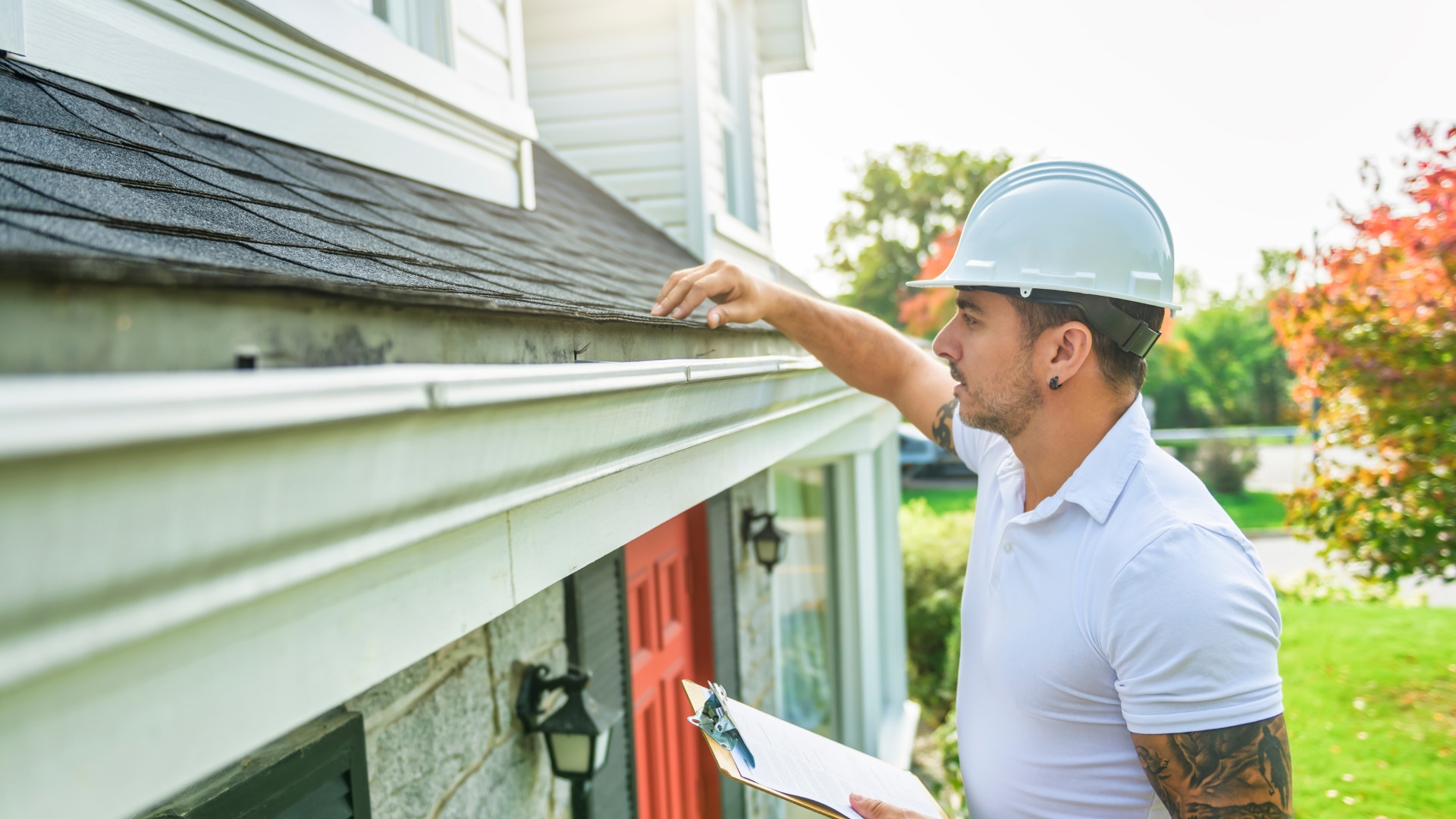
A thorough maintenance inspection covers the full roof surface, ridge caps, valleys, and all penetrations such as vents, skylights, and flues. The contractor checks for cracked or loose tiles, lifted or corroded metal sheets, failing sealant, and signs of water staining or ponding. Gutters and downpipes are inspected and cleared, especially in areas where leaf litter collects. Minor issues, such as loose fasteners or small sealant failures, are typically addressed on the spot as part of the maintenance scope.
Documentation is a key difference between a quick patch and real maintenance. You should expect photos of problem areas, a written summary of what was inspected, what was repaired during the visit, and any recommended follow-up work. Our own teams rely on photo-based reports and structured checklists because it keeps everyone honest and gives homeowners a clear record for future reference and insurance. Ask contractors how they document their visits and what you receive afterwards. Vague answers or verbal-only summaries suggest that the process is not as organized as it should be.
Finally, pay attention to communication and how your property is treated. Professional crews take care not to damage landscaping, secure ladders properly, and clean up debris before they leave. They should invite questions and be willing to show you photos or explain their findings in plain language. These small details, repeated across many projects, are often what separate steady maintenance companies from short-lived operators.
How To Read Reviews And References Without Being Misled
Online reviews are useful, but they do not tell the whole story on their own. When you are trying to find a roof maintenance company, it is better to look for patterns than to fixate on one or two comments. Scan for repeated themes about communication, punctuality, cleanliness, and follow-through. If several people mention that a company did what they said they would do, turned up on time, and resolved issues quickly, that is usually a positive sign.
It is also worth looking at how recent the reviews are and how the business responds to negative feedback. A long history of feedback, including some occasional criticism that is answered promptly and respectfully, often speaks more strongly than a short list of perfect scores. Our own Google reviews, A+ rating with the BBB, and recognition on the Florida Today 2025 Best of the Best in Customer Service list came from years of consistent service rather than a handful of comments. That kind of steady reputation is what you want to see in a contractor.
Do not be afraid to ask for references and then call them. Prepare specific questions about maintenance work, such as how detailed the inspection report was, whether the contractor pointed out potential issues before they became leaks, and how they handled any follow-up. A quick, honest conversation with another homeowner can reveal how a company behaves once the invoice is paid. Contractors who are proud of their work are usually happy to connect you with recent clients.
Compare Quotes, Warranties, And Payment Options The Right Way
Once you have a shortlist of roof maintenance companies, you will likely have a few quotes to compare. Instead of jumping straight to the total price, start by checking what each quote actually includes. A clear maintenance quote spells out which areas of the roof will be inspected, what minor repairs are included, whether gutters and downpipes will be cleared, and what is excluded or classed as additional work. If one quote is much cheaper but light on detail, you may not be comparing like with like.
Warranties are another important piece of the puzzle. There are two main types. Manufacturer warranties cover the roofing materials themselves, such as tiles, metal, or shingles, often for a set period and under certain conditions. Workmanship warranties cover the contractor’s labour on maintenance and repairs. A solid workmanship warranty means the company is prepared to return and address issues that arise from the work they carried out, within a defined time frame.
We back our work with strong material and labor warranties because we want customers to feel supported once the job is complete. When reviewing quotes, look for warranty terms in writing and do not rely on verbal assurances. Ask what exactly is covered, how long the coverage lasts, and what might void it. If a contractor is reluctant to put their promises on paper, that should weigh into your decision.
Payment terms and financing options also deserve attention. Some homeowners prefer to pay for maintenance in full on completion, while others might consider payment plans for larger repair items identified during inspection. We offer financing options to help make major roof work more manageable, and a well-structured contractor may do something similar. Clear payment schedules and options show that a business has considered the financial side of the work rather than relying on pressure to close deals.
Red Flags And Common Roof Maintenance Scams To Avoid
Unfortunately, the roofing industry attracts its share of operators who rely on pressure, confusion, or rushed work. Knowing the warning signs will help you avoid them as you look for a roof maintenance company. One early red flag is unsolicited visits after storms, especially if someone appears at your door without prior contact, claims they have spotted damage from the street, and urges you to sign authorization paperwork immediately.
Another concern is refusal to provide basic documents. If a contractor will not show a license number, dodges questions about insurance, or offers excuses instead of a certificate, that is a strong signal to walk away. Be wary of quotes that are dramatically lower than others yet offer almost no written detail. In many cases, those quotes grow once the contractor is on the roof and begins finding extra work that was never mentioned upfront.
Some operators also avoid giving written reports or photo evidence. Without that documentation, it is hard to know what was actually inspected or repaired. In contrast, long-standing roofing companies with strong local ties rely on transparent processes and repeat clients, not quick cash jobs. As a veteran-owned company with deep roots in our community, we have built our business on clear communication and steady follow-through. Look for local contractors who demonstrate similar stability instead of those who appear suddenly after bad weather and disappear just as quickly.
Work With A Roof Maintenance Team That Follows These Standards
Vetting a roof maintenance contractor does not have to feel like guesswork. By checking licensing and insurance, asking about training and manufacturer support, understanding what a proper maintenance visit looks like, reading reviews with a critical eye, and watching for red flags, you can quickly separate steady professionals from risky operators. The result is a roof that receives the care it needs and a home that is better protected from surprise problems.
If you want to work with a roofing team that follows these same standards every day, Hippo Roofing LLC is ready to help. Our track record across more than 10,000 projects, strong training and manufacturer partnerships, clear documentation, and dependable warranties all reflect the approach we have outlined in this guide. Reach out at (321) 325-3339 to schedule roof maintenance or an inspection, and we will walk you through each step so you can feel confident in the roof over your head.